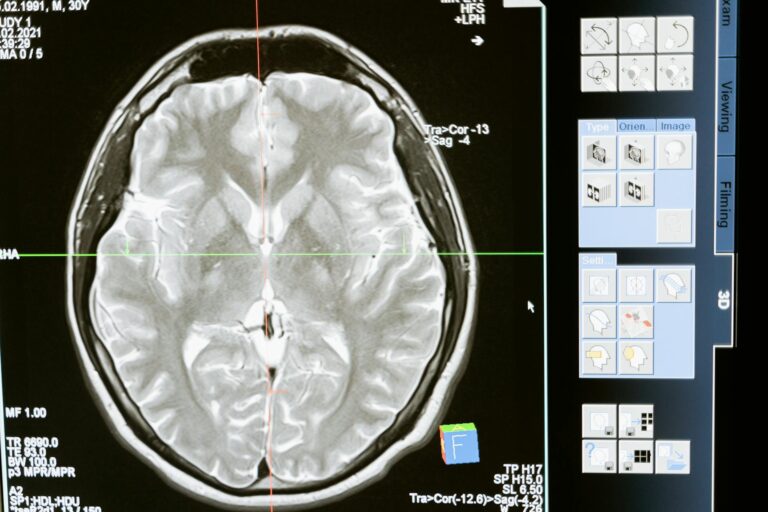
Parkinson’s disease affects balance during exercise primarily because it disrupts the brain’s ability to control movement and maintain stability. This neurological disorder damages the parts of the brain responsible for coordinating muscle activity, leading to symptoms such as tremors, stiffness, slowness of movement, and impaired postural reflexes. These symptoms collectively make it harder for individuals with Parkinson’s to keep their balance, especially during physical activities that require coordination and quick adjustments.
Balance is a complex function that depends on the integration of sensory input from the eyes, inner ears, muscles, and joints, along with the brain’s ability to process this information and send appropriate signals to muscles. In Parkinson’s disease, the degeneration of dopamine-producing neurons in the brain’s basal ganglia disrupts this process. Dopamine is crucial for smooth, controlled movements and for adjusting posture in response to changes in the environment. Without enough dopamine, the brain struggles to coordinate these responses, resulting in unsteady movements and a higher risk of falls during exercise.
During exercise, balance challenges increase because the body is in motion and often changing positions. People with Parkinson’s may experience delayed or reduced postural reflexes, meaning their bodies react more slowly or less effectively to shifts in balance. For example, if they start to lean too far forward or backward, their muscles may not respond quickly enough to prevent a fall. Muscle rigidity and stiffness further limit the range of motion and flexibility, making it difficult to recover from a loss of balance.
Tremors and involuntary movements can also interfere with balance by causing unexpected shifts in weight or posture. Additionally, Parkinson’s often affects gait, leading to shuffling steps, reduced arm swing, and difficulty initiating movement, all of which contribute to instability during walking or other dynamic exercises.
Despite these challenges, exercise is highly beneficial for people with Parkinson’s and can actually improve balance over time. Certain types of exercise, such as Tai Chi, yoga, and targeted physical therapy, focus on slow, deliberate movements combined with mental focus, which help retrain the brain and improve postural control. These exercises enhance proprioception—the body’s sense of position in space—and strengthen muscles that support balance.
Long-term, consistent exercise promotes neuroplasticity, the brain’s ability to form new neural connections. This can help bypass damaged areas and improve motor function. Rhythmic activities like cycling are particularly effective because they engage the brain in repetitive, coordinated movements that strengthen motor pathways and improve cardiovascular health, which supports overall physical stability.
Physical therapists often design personalized exercise programs that include balance training, strength building, and flexibility exercises. These programs help individuals with Parkinson’s practice safe movement patterns, improve their confidence, and reduce the risk of falls. Incorporating balance exercises into daily routines, such as standing on one leg, heel-to-toe walking, or using balance boards, can gradually enhance stability.
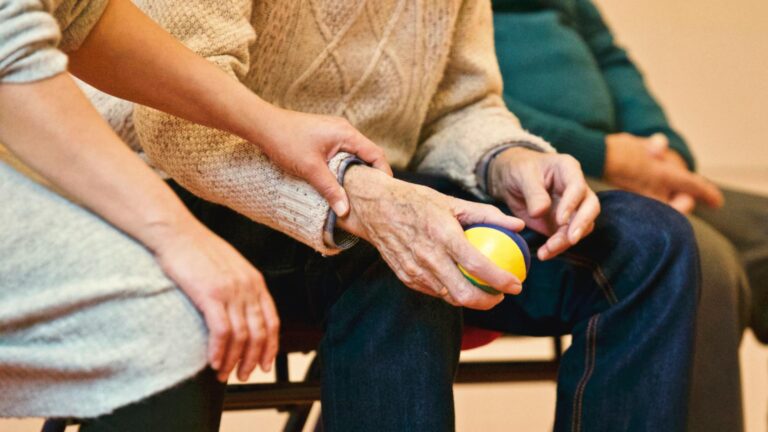
It is important for people with Parkinson’s to work closely with healthcare providers before starting new exercise regimens to ensure safety and appropriateness. Caregivers and family members can support adherence to exercise programs and help monitor for signs of fatigue or instability.
In summary, Parkinson’s disease affects balance during exercise by impairing the brain’s control over muscle coordination, postural reflexes, and movement initiation. This leads to instability, increased fall risk, and difficulty performing dynamic activities. However, with consistent, targeted exercise that emphasizes balance, strength, and coordination, individuals with Parkinson’s can improve their stability and maintain better physical function despite the disease’s challenges.