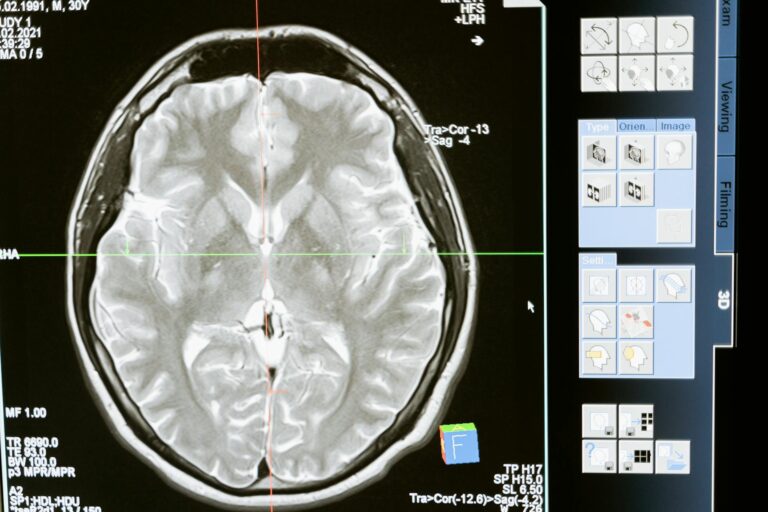
Parkinson’s patients sometimes experience confusion at night due to a combination of factors related to the disease itself, its effects on the brain, sleep disturbances, medication influences, and environmental triggers. This nighttime confusion can manifest as disorientation, hallucinations, or delirium, often making the night hours particularly challenging for those affected.
Parkinson’s disease is primarily known for its motor symptoms like tremors and slow movements, but it also causes significant non-motor symptoms that affect cognition and perception. One key reason for nighttime confusion is the disruption of normal brain chemistry and function caused by the disease’s progression. Parkinson’s involves the loss of dopamine-producing neurons, which not only impairs movement but also affects areas of the brain responsible for cognition, attention, and perception. This can lead to difficulties in processing information clearly, especially when the brain is tired or under stress, such as during the night.
Sleep disturbances are very common in Parkinson’s patients and play a major role in nighttime confusion. Many patients suffer from fragmented sleep, REM sleep behavior disorder (where they physically act out dreams), or sleep apnea, which causes intermittent drops in oxygen levels. These sleep problems reduce the quality and restorative nature of sleep, leading to increased daytime and nighttime confusion. When the brain does not get enough restful sleep, cognitive functions like memory, attention, and orientation suffer, making confusion more likely after dark.
Another important factor is the phenomenon called “sundowning,” which is well-known in dementia but also occurs in Parkinson’s patients, especially those with cognitive decline. Sundowning refers to increased confusion, agitation, and hallucinations that happen in the late afternoon or evening. The exact cause is unclear but may involve changes in the internal body clock, reduced sensory input as daylight fades, and fatigue. The brain’s reduced ability to filter and interpret sensory information at night can cause misperceptions and hallucinations, contributing to confusion.
Medications used to manage Parkinson’s symptoms can also contribute to nighttime confusion. Many Parkinson’s drugs affect dopamine levels and other neurotransmitters, which can cause side effects such as hallucinations, vivid dreams, or delirium, especially if doses are not well balanced or if the patient is sensitive to these medications. Additionally, some patients may experience fluctuations in medication effectiveness, leading to “off” periods where symptoms worsen, including cognitive symptoms.
Environmental factors at night can exacerbate confusion. Low lighting, unfamiliar surroundings, or sensory deprivation can make it harder for Parkinson’s patients to orient themselves. When visual cues are limited, the brain may misinterpret shadows or sounds, leading to hallucinations or fear. Stress and anxiety, which often increase at night due to isolation or fear of falling, can further alter brain chemistry and perception, worsening confusion.
Infections or other acute medical issues, which are more common in older adults with Parkinson’s, can also trigger sudden episodes of confusion or delirium at night. Urinary tract infections, dehydration, or electrolyte imbalances can cause the brain to function poorly, leading to acute confusion that often worsens in the evening or night.
To help manage nighttime confusion in Parkinson’s patients, creating a calm, well-lit, and familiar environment is crucial. Maintaining consistent routines, ensuring good sleep hygiene, and carefully managing medications can reduce the risk. Addressing underlying medical issues promptly and providing reassurance and support during episodes of confusion can also improve quality of life.
In essence, nighttime confusion in Parkinson’s patients arises from a complex interplay of brain changes caused by the disease, sleep disturbances, medication effects, environmental factors, and sometimes acute medical problems. Understanding these causes helps caregivers and healthcare providers better support patients through these difficult periods.