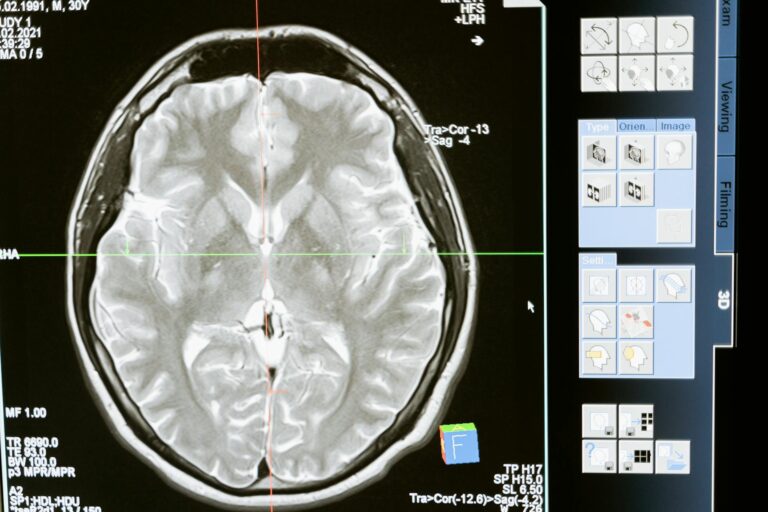
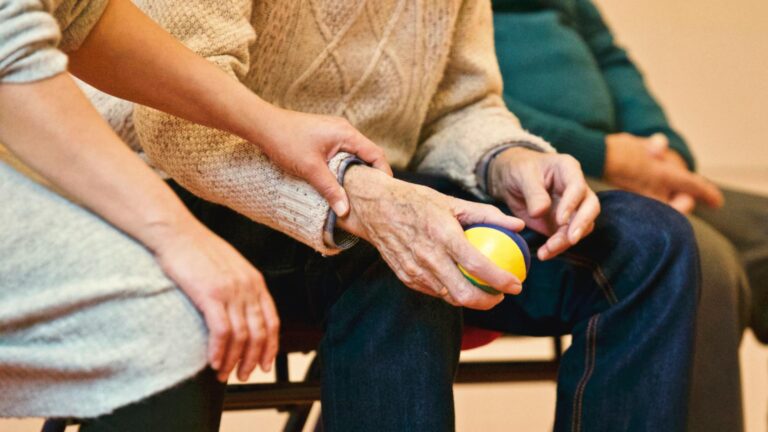
Parkinson’s disease can indeed cause difficulty standing up from low chairs, and this challenge is closely tied to the core motor symptoms of the disease. Parkinson’s is a progressive neurological disorder that primarily affects movement control due to the loss of dopamine-producing nerve cells in the brain. This loss leads to hallmark symptoms such as muscle stiffness (rigidity), slowed movements (bradykinesia), tremors, and problems with balance and posture. These symptoms collectively interfere with the ability to perform everyday tasks, including standing up from a seated position, especially from low chairs.
The difficulty in standing up from low chairs arises mainly because Parkinson’s affects the muscles and coordination needed to initiate and complete this movement smoothly. When a person with Parkinson’s tries to rise from a low chair, several factors come into play:
– **Muscle Rigidity:** The muscles become stiff and less flexible, making it harder to bend and straighten the legs and hips. This stiffness increases the effort required to push the body upward from a seated position.
– **Bradykinesia (Slowed Movement):** Movements become slower and less automatic. Standing up requires a coordinated, timely effort of multiple muscle groups, and bradykinesia delays this process, causing hesitation or incomplete movement.
– **Postural Instability:** Parkinson’s often impairs balance and the ability to maintain an upright posture. When standing up, the body must shift weight forward and stabilize on the feet. Impaired balance can make this shift feel unsafe or unsteady, leading to difficulty or fear of falling.
– **Reduced Strength and Coordination:** Over time, Parkinson’s can cause muscle weakness and poor coordination, further complicating the act of standing up, which demands strength and precise control.
– **Freezing of Gait or Movement Initiation Problems:** Some people with Parkinson’s experience “freezing,” where they temporarily feel stuck and unable to start a movement. This can affect standing up as well, making it hard to initiate the motion from sitting.
Because of these combined issues, standing up from a low chair can become a slow, effortful, and sometimes risky task for someone with Parkinson’s. The lower the chair, the more the knees and hips must bend, and the more strength and balance are required to rise, which exacerbates the difficulty.
Additionally, non-motor symptoms of Parkinson’s, such as dizziness or lightheadedness upon standing (due to blood pressure changes), can also contribute to the challenge. This can cause a person to feel faint or unstable when moving from sitting to standing, increasing the risk of falls.
People with Parkinson’s often develop strategies or use assistive devices to help with standing up. These might include:
– Using chairs with armrests to push off from
– Placing the feet firmly on the ground before standing
– Rocking gently forward to initiate movement
– Strengthening exercises and physical therapy to improve muscle function and balance
– Medication adjustments to optimize motor control
In more advanced stages of Parkinson’s, these difficulties become more pronounced, sometimes requiring additional support or adaptations in the home environment to ensure safety.
In summary, Parkinson’s disease causes difficulty standing up from low chairs due to a combination of muscle rigidity, slowed and impaired movement initiation, balance problems, and sometimes dizziness. These symptoms interfere with the complex coordination and strength needed to rise smoothly and safely from a low seated position.