Parkinson’s disease profoundly affects handwriting precision, primarily through a symptom known as micrographia, which is characterized by abnormally small and cramped handwriting. This happens because Parkinson’s disrupts the brain’s ability to control fine motor movements, especially those involving the hands and fingers.
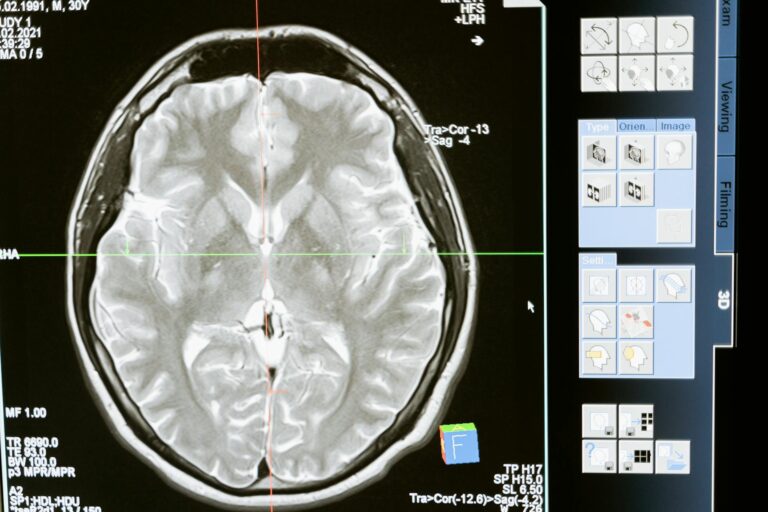
At its core, Parkinson’s disease damages parts of the brain responsible for regulating movement—particularly the basal ganglia. These areas help coordinate smooth and controlled muscle activity. When they are impaired, individuals experience symptoms like muscle rigidity (stiffness), bradykinesia (slowness of movement), tremors, and difficulty initiating or sustaining voluntary motions. Writing is a complex motor task that requires precise coordination of finger muscles along with consistent pressure and speed; all these are compromised in Parkinson’s[1][4].
One of the earliest signs related to handwriting is micrographia—a progressive reduction in letter size during writing sessions. People might start writing with normal-sized letters but find their handwriting shrinking as they continue on a page. This shrinking effect makes letters look cramped and harder to read over time[1]. The slowness in movement combined with increased muscle stiffness means that controlling pen strokes becomes more difficult; this leads not only to smaller letters but also irregular spacing between words or letters.
The loss of fine motor control also causes variability in stroke pressure—sometimes too light or too heavy—which further reduces legibility. Tremors can cause shaky lines rather than smooth curves or straight lines expected in neat handwriting[3]. Additionally, fatigue from constant effort trying to maintain steady hand movements can worsen precision as writing progresses.
Beyond size reduction, other aspects affected include:
– **Reduced fluency:** Writing may become slow and halting due to difficulty initiating each stroke.
– **Irregular letter formation:** Letters may lose their typical shape because muscles cannot execute precise movements.
– **Decreased speed:** Overall writing pace slows down significantly.
– **Inconsistent spacing:** Both between letters within words and between separate words.
These changes often frustrate individuals who once had clear penmanship since it impacts communication clarity.
The underlying neurological cause involves disrupted signaling pathways that normally allow smooth execution of sequential hand movements required for writing. Dopamine deficiency caused by degeneration of neurons in specific brain regions leads to impaired motor planning and execution[4]. Because dopamine helps regulate movement amplitude (how big or small motions are), its lack results directly in smaller strokes seen as micrographia.
Some patients use digital tools like tablets equipped with sensors measuring kinematics—the motion characteristics such as velocity, acceleration, pressure—to analyze how Parkinson’s alters their handwriting patterns quantitatively[5]. These studies confirm reduced stroke size, slower speeds, increased pauses between strokes—all reflecting diminished motor control precision.
In summary: Parkinson’s disease affects handwriting precision mainly through impairments in fine motor skills caused by neurological damage affecting movement regulation centers. This manifests most notably as micrographia—progressively smaller lettering—and additional difficulties including tremor-induced shakiness, irregular letter shapes due to poor muscle coordination, slower overall writing speed from bradykinesia, inconsistent spacing from loss of fluidity plus fatigue-related deterioration during prolonged tasks—all combining into markedly less precise handwritten output compared with healthy individuals’ normal script style.