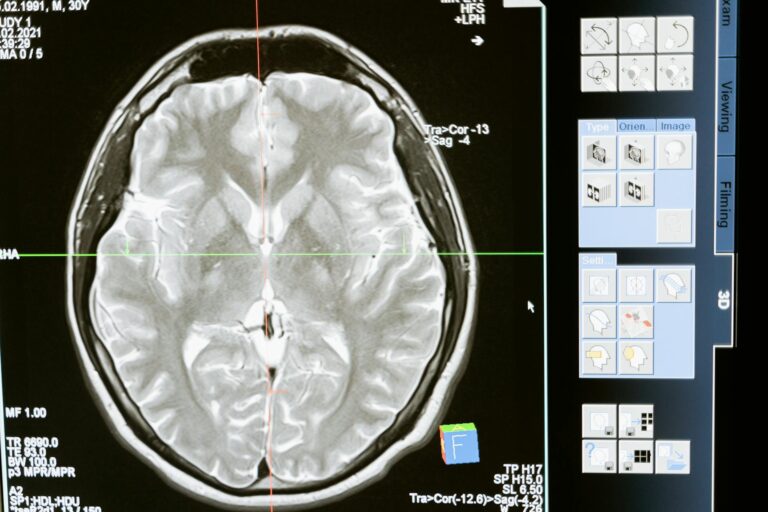
Parkinson’s patients often feel exhausted after small tasks because the disease affects both their physical and mental energy in complex ways that go beyond normal tiredness. This exhaustion, known as Parkinson’s-related fatigue, is a deep sense of weariness that doesn’t improve simply by resting or sleeping. Even activities that seem minor to others—like showering, dressing, or walking short distances—can leave them feeling completely drained.
One major reason for this exhaustion is the loss of dopamine-producing cells in the brain caused by Parkinson’s disease. Dopamine is a chemical messenger essential for smooth and coordinated muscle movements as well as motivation and reward processing. When dopamine levels drop, muscles become stiff and movements slow down (bradykinesia), so even simple tasks require much more effort than usual. This increased physical effort uses up more energy quickly, making patients feel physically fatigued.
But it isn’t just about muscles working harder; Parkinson’s also impacts the brain’s ability to maintain focus and mental stamina. Many patients experience cognitive fatigue—a kind of “brain fog” where concentrating or initiating tasks feels exhausting. This mental tiredness can be just as debilitating as physical fatigue because it saps motivation and makes even thinking through routine activities difficult.
Sleep problems common in Parkinson’s further worsen this exhaustion cycle. Patients often suffer from disrupted sleep due to symptoms like restless leg syndrome, REM sleep behavior disorder (where they act out dreams), insomnia, or fragmented sleep patterns where they wake frequently at night but cannot fall back asleep easily. Because their sleep isn’t restful or restorative, they wake up already feeling tired despite spending enough hours in bed.
Additionally, non-motor symptoms such as depression and anxiety frequently accompany Parkinson’s disease and contribute heavily to feelings of fatigue. Depression can reduce overall energy levels while anxiety drains mental resources constantly trying to manage worries or stress related to living with a chronic illness.
The autonomic nervous system—which controls automatic body functions like blood pressure regulation—is also affected by Parkinson’s disease in many cases. Dysfunction here can cause fluctuations in blood pressure when standing up (orthostatic hypotension), leading to dizziness or weakness which adds another layer of exhaustion during daily activities.
Medication timing plays a role too: during “off” periods when medication effects wear off before the next dose kicks in, motor symptoms worsen temporarily causing increased stiffness and slowness that make movement even more tiring.
Nutrition status matters since poor appetite or swallowing difficulties sometimes seen with Parkinson’s reduce intake of essential nutrients needed for energy production at the cellular level.
In summary:
– **Physical exertion requires disproportionately high effort** due to muscle stiffness and slowed movement.
– **Cognitive challenges drain mental energy**, making concentration difficult.
– **Sleep disturbances prevent restorative rest**, causing persistent daytime tiredness.
– **Mood disorders like depression amplify feelings of low energy**.
– **Autonomic dysfunction causes additional physical weakness**.
– Medication fluctuations create periods where symptoms intensify temporarily increasing fatigue.
– Nutritional deficits may impair overall vitality further compounding exhaustion after small tasks.
This combination creates an exhausting feedback loop unique to people with Parkinson’s: their bodies must work harder just to perform simple actions while their brains struggle with reduced chemical support for motivation plus poor quality sleep—and all these factors together explain why seemingly small efforts leave them profoundly worn out long afterward without relief from rest alone.