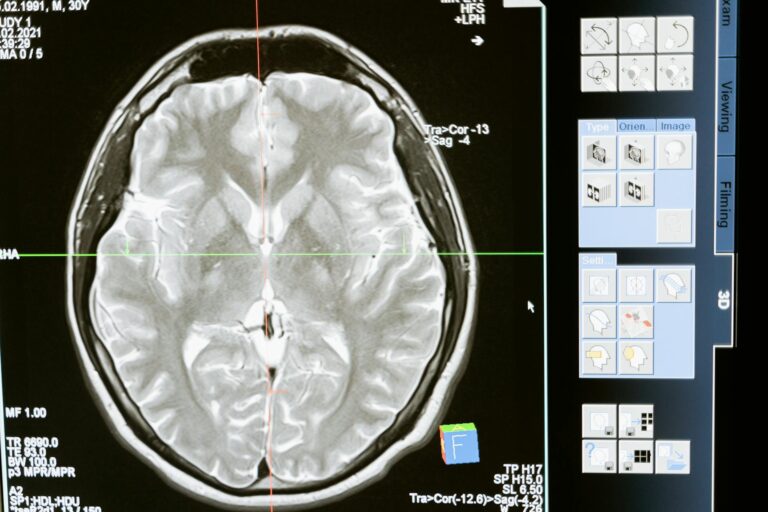
Parkinson’s disease can indeed cause difficulty breathing, and this issue arises from several interconnected factors related to the disease’s impact on the nervous system and muscles involved in respiration. Parkinson’s is primarily known as a movement disorder caused by the loss of dopamine-producing neurons in the brain, which leads to symptoms like tremors, stiffness, and slowed movement. However, it also affects many non-motor systems, including those that control breathing.
One major reason breathing difficulties occur in Parkinson’s is because the disease affects the brain stem, particularly an area called the medulla oblongata. This part of the brain controls vital automatic functions such as breathing, heart rate, and blood pressure. In Parkinson’s, abnormal protein clumps called Lewy bodies accumulate in the medulla oblongata, causing damage to the nerve cells there. This damage disrupts the normal regulation of breathing and cardiovascular functions, leading to respiratory problems even in the early stages of the disease. Patients may experience irregular breathing patterns, reduced respiratory muscle strength, and impaired control of breathing rate and depth due to this brain stem involvement.
Additionally, Parkinson’s disease causes muscle rigidity and weakness, which can affect the muscles responsible for breathing. The diaphragm and intercostal muscles (muscles between the ribs) may become stiff or weak, making it harder for the lungs to expand fully. This can result in shallow breathing and reduced oxygen intake. The disease also affects the muscles involved in swallowing and coughing, which can increase the risk of aspiration (inhaling food or saliva into the lungs), leading to respiratory infections and further breathing difficulties.
Another contributing factor is orthostatic hypotension, a condition common in Parkinson’s where blood pressure drops upon standing. This can cause dizziness, fatigue, and a sensation of breathlessness. Although orthostatic hypotension primarily affects blood flow, it can indirectly worsen breathing by reducing oxygen delivery to tissues and causing general weakness.
Some people with Parkinson’s also report that their breathing symptoms fluctuate, sometimes feeling better or worse depending on their medication cycle or disease progression. Sleep-related breathing disorders, such as sleep apnea, are also more common in Parkinson’s patients, further complicating respiratory health.
Interestingly, recent research in animal models suggests that controlled exposure to low-oxygen air might have neuroprotective effects and could potentially improve some Parkinson’s symptoms, including motor function. However, this is experimental and not yet applicable to human treatment.
In summary, difficulty breathing in Parkinson’s disease results from a combination of brain stem dysfunction affecting automatic respiratory control, muscle rigidity and weakness impairing the mechanics of breathing, swallowing difficulties increasing the risk of lung infections, and cardiovascular issues that can exacerbate breathlessness. These respiratory problems can significantly impact quality of life and require careful management alongside the motor symptoms of Parkinson’s.