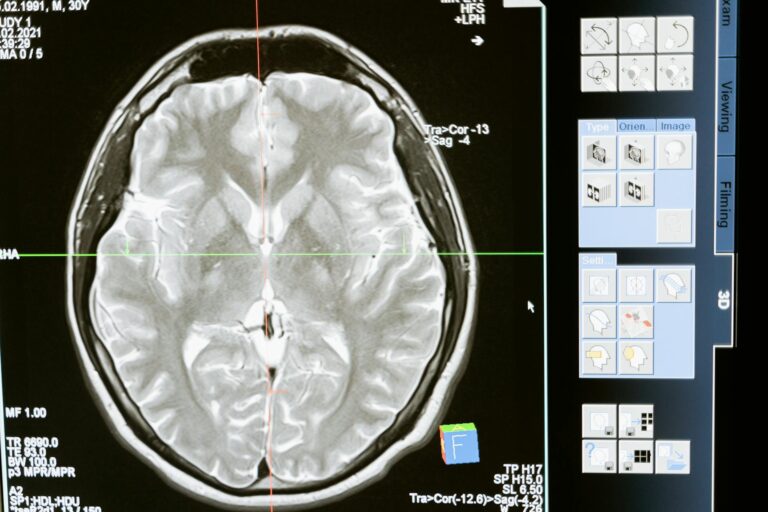
Parkinson’s disease (PD) is a progressive neurological disorder that primarily affects movement but can also impact other bodily functions over time. When someone is diagnosed with Parkinson’s, a common and pressing question is how the disease will affect their life expectancy. The answer is nuanced: many people with Parkinson’s live for many years, often decades, after diagnosis, especially with modern treatments and good symptom management.
Parkinson’s disease itself does not drastically shorten life expectancy in most cases. Advances in medical care, medications like levodopa, and therapies such as physical and occupational therapy have improved quality of life and longevity significantly. People diagnosed today often live close to the average life expectancy for their age group, provided they receive appropriate care and manage symptoms effectively.
However, Parkinson’s is a progressive disease, meaning symptoms worsen over time. The progression varies widely among individuals. Early on, symptoms may be mild and manageable, including tremors, stiffness, and slow movement. As the disease advances, complications can arise that indirectly affect life expectancy. These include difficulties with swallowing, balance problems leading to falls, and respiratory issues. For example, aspiration pneumonia—caused by inhaling food or liquids into the lungs due to swallowing difficulties—is a common cause of death in advanced Parkinson’s.
Cognitive changes are also a significant aspect of Parkinson’s progression. While not everyone develops dementia, many experience mild to moderate cognitive impairment, which can affect memory, attention, and problem-solving. Cognitive decline can complicate care and increase vulnerability to accidents or infections, indirectly influencing survival.
The variability in Parkinson’s progression means that life expectancy after diagnosis can range widely. Some people maintain independence and a good quality of life for 15 to 20 years or more, while others may experience more rapid decline. Factors influencing this include age at diagnosis, overall health, presence of other medical conditions, and how well symptoms are controlled.
Lifestyle choices and supportive care play a crucial role. Regular exercise, physical therapy, a balanced diet, and social engagement can help maintain function and potentially slow symptom progression. Intermittent or ongoing support from caregivers and healthcare professionals also helps manage complications and improve safety.
In contrast to Parkinson’s, other neurodegenerative diseases like multiple system atrophy (MSA) have a much shorter life expectancy, often 6 to 10 years after diagnosis, highlighting that Parkinson’s is generally less rapidly fatal.
In summary, Parkinson’s disease affects life expectancy primarily through its complications rather than the disease itself. With current treatments and supportive care, many people live for many years post-diagnosis, often close to normal life expectancy, though individual experiences vary widely. Managing symptoms, preventing complications, and maintaining an active, healthy lifestyle are key to extending both lifespan and quality of life for those living with Parkinson’s.