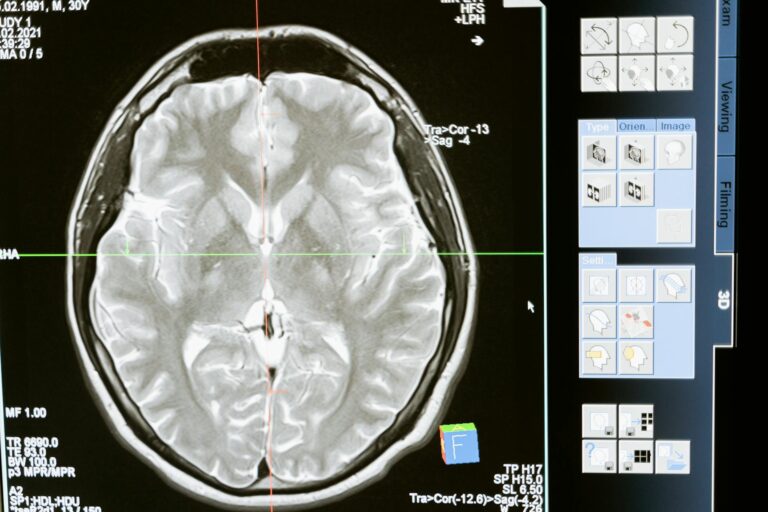
Parkinson’s disease profoundly affects fatigue levels in daily life, making fatigue one of the most common and challenging symptoms people face. Unlike ordinary tiredness, Parkinson’s-related fatigue is a deep, persistent exhaustion that doesn’t improve with rest or sleep. It can be both physical and mental, often hitting people unexpectedly and severely disrupting their ability to carry out everyday activities.
Physically, fatigue in Parkinson’s feels like a heavy, overwhelming weariness. People describe it as if their limbs are made of lead or like they’ve run completely out of energy. This physical exhaustion can be so intense that even simple tasks such as showering, dressing, or walking can leave someone feeling wiped out. This fatigue often worsens during “off” periods when Parkinson’s medication is less effective, making movement and coordination even more difficult.
Mentally, fatigue manifests as a kind of brain fog or cognitive sluggishness. Concentrating, making decisions, or even starting a task can feel like climbing a steep hill. This mental fatigue can be just as debilitating as the physical kind, causing frustration and isolation because it’s invisible to others and hard to explain. People with Parkinson’s often feel mentally drained even after rest or sleep, which makes managing daily life a constant challenge.
One of the most confusing aspects of Parkinson’s fatigue is that it doesn’t follow the usual rules of tiredness. Normally, a good night’s sleep or a nap can restore energy, but with Parkinson’s, fatigue often persists despite adequate rest. Many report waking up feeling as exhausted as when they went to bed, or even more so. Sleep disturbances common in Parkinson’s—such as insomnia, restless leg syndrome, and fragmented sleep—contribute to this non-restorative rest, leading to excessive daytime sleepiness and a cycle of fatigue that’s hard to break.
As Parkinson’s progresses, fatigue can become more severe and constant. In advanced stages, people may experience excessive sleepiness, sometimes sleeping most of the day and being awake mostly at night. This sleep-wake reversal is linked to the disease’s spread throughout the brain, where sleep can become the brain’s default state. Although common in late-stage Parkinson’s, this excessive sleeping is a symptom of disease progression and requires medical attention.
Fatigue in Parkinson’s is not just a symptom but a complex interplay of physical, neurological, and psychological factors. The disease affects dopamine-producing neurons, which play a key role in energy regulation and motivation. This disruption can cause the body and brain to feel perpetually drained. Additionally, the emotional toll of living with a chronic illness, including anxiety and depression, can worsen fatigue.
Managing Parkinson’s fatigue involves a combination of strategies. Maintaining good nutrition and hydration is important because the body needs proper fuel to function. A balanced diet rich in fruits, vegetables, and lean proteins helps provide steady energy, while avoiding sugar and processed foods can prevent energy crashes. Regular, gentle exercise tailored to individual ability can also help improve stamina and reduce fatigue over time.
Pacing activities and prioritizing rest without complete inactivity is another key approach. Breaking tasks into smaller steps and taking breaks before exhaustion sets in can help conserve energy. Mental fatigue may be eased by engaging in stimulating but manageable cognitive activities and practicing stress-reduction techniques.
Because Parkinson’s fatigue is so unique and persistent, it’s important for people with the disease and their caregivers to recognize its signs early and communicate openly with healthcare providers. Adjusting medications, addressing sleep problems, and exploring therapies like physical therapy or counseling can all contribute to better fatigue management.
Ultimately, Parkinson’s-related fatigue reshapes daily life, requiring ongoing adaptation and support. It’s a profound exhaustion that touches every aspect of living, from the simplest movements to the most basic thoughts, demanding patience, understanding, and tailored care to help maintain quality of life.