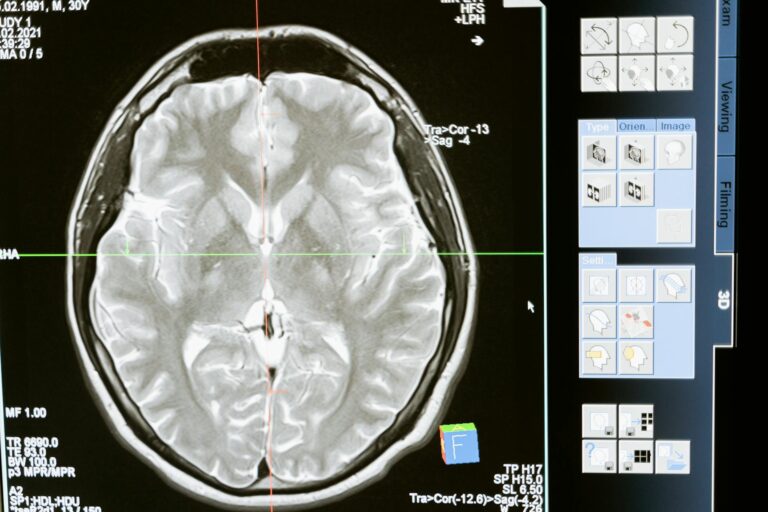
Parkinson’s disease affects swallowing safety primarily by disrupting the complex coordination and strength of muscles involved in the swallowing process. This disruption leads to a condition called dysphagia, which means difficulty swallowing. Dysphagia in Parkinson’s disease can cause food or liquids to enter the airway instead of the esophagus, increasing the risk of choking and aspiration pneumonia, a serious lung infection.
Swallowing is a highly coordinated activity involving multiple phases and muscle groups. It begins with the oral phase, where food is chewed and formed into a bolus by the tongue and jaw. Then, during the pharyngeal phase, the bolus is pushed into the throat while the airway closes to prevent food from entering the lungs. Finally, the esophageal phase moves the bolus down into the stomach. Parkinson’s disease affects these phases in several ways.
First, Parkinson’s causes rigidity and reduced coordination of muscles, including those in the face, jaw, tongue, and throat. This rigidity slows chewing and makes tongue movements less agile, impairing the formation and propulsion of the food bolus. The tongue may not push the bolus efficiently toward the throat, causing residue to remain in the mouth or throat, which can later be aspirated.
Second, the pharyngeal phase is often impaired. The timing and strength of the swallow reflex can be delayed or weakened, meaning the airway may not close properly or quickly enough during swallowing. This failure to protect the airway allows food or liquid to enter the windpipe, leading to coughing, choking, or silent aspiration (aspiration without coughing), which is particularly dangerous because it can go unnoticed.
Third, Parkinson’s disease can reduce the strength of the muscles that open the upper esophageal sphincter, the gateway between the throat and the esophagus. If this muscle does not open fully or at the right time, the bolus can get stuck or move slowly, increasing the risk of residue and aspiration.
Additionally, Parkinson’s often affects sensory feedback mechanisms. Patients may have reduced sensation in the throat and mouth, making it harder to detect food residue or the presence of material in the airway. This sensory loss can delay protective reflexes like coughing.
Cognitive and behavioral changes common in Parkinson’s can also contribute to swallowing difficulties. For example, slowed thinking or reduced attention may affect the ability to coordinate safe swallowing or recognize choking hazards.
The consequences of impaired swallowing safety in Parkinson’s are serious. Aspiration pneumonia is a leading cause of hospitalization and death in advanced Parkinson’s disease. Other complications include malnutrition and dehydration due to difficulty eating and drinking safely.
Management of swallowing safety in Parkinson’s involves a multidisciplinary approach. Speech-language pathologists assess swallowing function using clinical exams and instrumental studies like videofluoroscopic swallow studies, which visualize the swallowing process in real time. Based on these assessments, individualized treatment plans may include swallowing exercises to strengthen muscles and improve coordination, dietary modifications such as thickened liquids or softer foods to reduce aspiration risk, and adaptive feeding tools to assist with safe eating.
In some cases, advanced treatments like deep brain stimulation, a surgical procedure used to control motor symptoms in Parkinson’s, have shown potential to improve swallowing reflexes and coordination, though results vary among individuals.
Overall, Parkinson’s disease affects swallowing safety by impairing muscle control, coordination, timing, and sensory feedback essential for safe swallowing. These changes increase the risk of choking and aspiration, making careful assessment and tailored management critical to maintaining nutrition, hydration, and respiratory health.