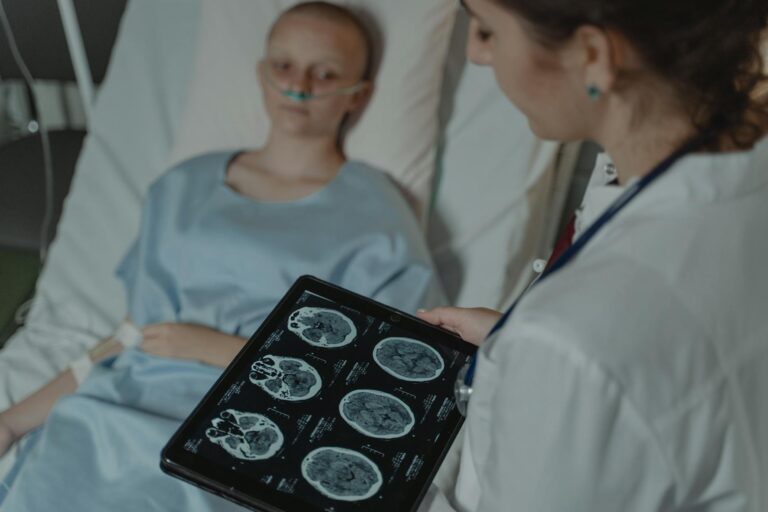
Parkinson’s disease can indeed cause sudden stiffness in the legs, although the experience and timing of stiffness can vary widely among individuals. Stiffness, also known as rigidity, is one of the hallmark motor symptoms of Parkinson’s disease. It refers to an increased resistance to passive movement of the limbs, which can feel like a sudden or persistent tightness or inflexibility in the muscles. This stiffness can affect the legs, arms, trunk, or neck and may sometimes appear abruptly or worsen suddenly, especially in the legs.
To understand why Parkinson’s disease causes this stiffness, it helps to know what happens in the brain. Parkinson’s is a neurological disorder where certain nerve cells in the brain, particularly those that produce dopamine, gradually break down or die. Dopamine is a crucial chemical messenger that helps regulate smooth and coordinated muscle movements. When dopamine levels drop, the brain struggles to control muscle activity properly, leading to symptoms like tremors, slow movements, and rigidity.
The stiffness in the legs can feel like a sudden resistance when trying to move or bend them. This can make walking difficult, cause a shuffling gait, or even lead to episodes where the legs feel “frozen” or stuck in place. Such episodes are sometimes called “freezing of gait,” where a person feels as if their feet are glued to the floor, making it hard to start walking or turn. This freezing can be accompanied by sudden stiffness and can be quite distressing.
Besides rigidity, Parkinson’s disease also causes other motor symptoms that affect the legs, such as bradykinesia (slowness of movement) and tremors. Bradykinesia can make initiating leg movements slow and effortful, while tremors may cause shaking in the legs at rest. The combination of these symptoms can contribute to the sensation of sudden stiffness or difficulty moving the legs.
The stiffness in Parkinson’s is not just a simple muscle tightness; it is a neurological problem where the muscles resist movement even when relaxed. This rigidity can be uniform (lead-pipe rigidity) or have a ratchet-like quality (cogwheel rigidity), where the stiffness fluctuates in a jerky manner when the limb is moved passively.
Sometimes, people with Parkinson’s also experience a related condition called restless legs syndrome, which causes uncomfortable sensations and an urge to move the legs, often worsening at rest or at night. While restless legs syndrome is different from rigidity, it can add to the overall discomfort and perception of stiffness or tightness in the legs.
The suddenness of stiffness episodes can be influenced by various factors, including medication timing, stress, fatigue, or changes in activity. Parkinson’s medications, especially those that replace or mimic dopamine, can help reduce stiffness, but fluctuations in medication levels may cause stiffness to come and go suddenly.
In addition to stiffness, Parkinson’s disease affects posture and gait. People often develop a stooped posture and a characteristic shuffling walk, partly due to rigidity and partly due to impaired balance and coordination. The stiffness in the legs contributes to these changes by limiting the normal fluidity and range of motion needed for walking.
Managing sudden stiffness in the legs involves a combination of medication, physical therapy, and lifestyle adjustments. Dopaminergic medications can improve dopamine levels and reduce rigidity. Physical therapy exercises focus on stretching, strengthening, and improving flexibility to counteract stiffness. Regular movement and avoiding prolonged periods of rest can also help prevent stiffness from worsening.
In some cases, stiffness may be more pronounced during the early morning or after long periods of inactivity, making it feel sudden when trying to stand or walk. This is sometimes called “morning stiffness” and is common in Parkinson’s disease.
Overall, while Parkinson’s disease typically causes a gradual onset of symptoms, sudden stiffness in the legs is a recognized and distressing feature for many patients. It reflects the complex ways in which the disease disrupts normal muscle control and movement, highlighting the importanc