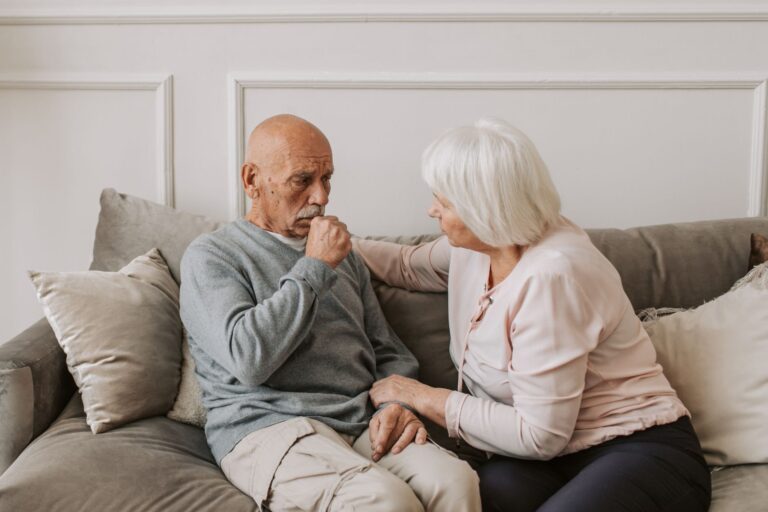
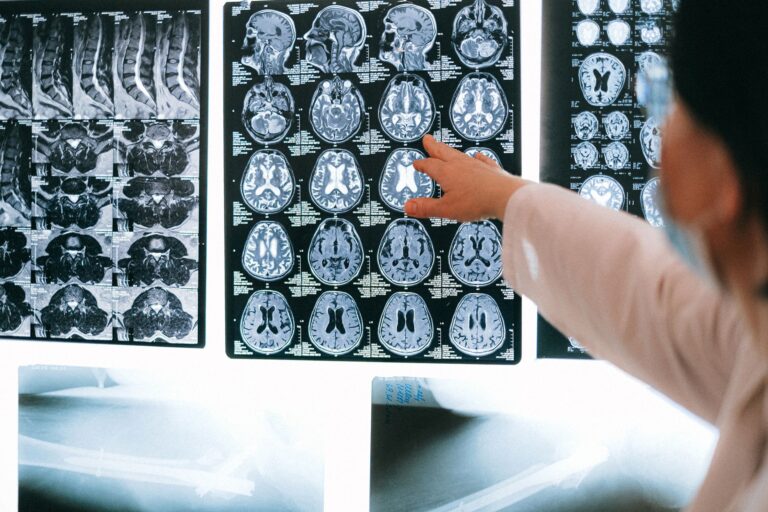
Chronic alcohol sits at the center of this dementia and brain health question.
Chronic alcohol use affects seniors in ways that are often more severe and complex than in younger adults due to the natural changes that occur with aging. As people grow older, their bodies process alcohol differently, making them more vulnerable to its harmful effects. For example, seniors metabolize alcohol more slowly because of decreased liver function and lower water content in their bodies. This means alcohol stays in their system longer and at higher concentrations, intensifying its impact on organs and the brain.
Older adults also tend to have increased sensitivity to alcohol’s effects on the nervous system. Even small amounts can cause dizziness, confusion, impaired coordination, and balance problems—factors that significantly raise the risk of falls and injuries. Since many seniors already experience some decline in cognitive abilities or motor skills due to aging itself, adding alcohol into the mix can accelerate these declines or worsen existing conditions like memory loss or difficulty walking.
Alcohol disrupts sleep patterns too; while it may help someone fall asleep faster initially, it leads to fragmented sleep cycles throughout the night. Poor sleep quality exacerbates other chronic health issues common among older adults such as hypertension (high blood pressure), diabetes complications, or respiratory problems like sleep apnea.
Another critical concern is how chronic drinking interacts with medications commonly prescribed for age-related illnesses. Many seniors take multiple drugs simultaneously for conditions such as heart disease or arthritis. Alcohol can interfere with these medications’ effectiveness or cause dangerous side effects through harmful interactions.
Long-term heavy drinking increases risks for serious diseases including liver damage (cirrhosis), certain cancers (like throat or breast cancer), strokes, ulcers, and worsened mental health disorders such as depression or anxiety—all of which may be harder for an older person’s body to manage compared to a younger individual’s.
Withdrawal from alcohol presents additional challenges unique to seniors. Because they often have coexisting physical ailments and cognitive impairments alongside increased sensitivity to withdrawal medications like benzodiazepines used during detoxification treatment, withdrawal symptoms can be more intense and complicated by delirium seizures or worsening heart issues.
Behavioral signs of problematic drinking among elderly individuals might include social isolation due to embarrassment about addiction; sudden mood swings; neglecting personal hygiene; unexplained bruises from falls; memory lapses mistaken for dementia; financial troubles unrelated directly to aging but linked instead with substance misuse patterns.
Recognizing these signs early is crucial since substance misuse symptoms often overlap with normal aging processes making diagnosis difficult without careful screening by healthcare providers trained specifically in geriatric care.
In essence:
– Seniors process alcohol slower leading to prolonged exposure.
– Increased brain sensitivity causes greater impairment even at low doses.
– Alcohol worsens age-related cognitive decline & motor dysfunction.
– Sleep disruption aggravates other chronic diseases.
– Medication interactions increase risk of adverse events.
– Long-term use heightens cancer risk & organ damage likelihood.
– Withdrawal is medically complex requiring specialized care.
– Behavioral changes may mimic dementia but stem from substance use disorder.
The combination of physiological vulnerability plus social factors makes managing chronic alcoholism among older adults particularly challenging yet critically important for preserving quality of life well into advanced years.
For more, see Alzheimer’s Association — medical tests.