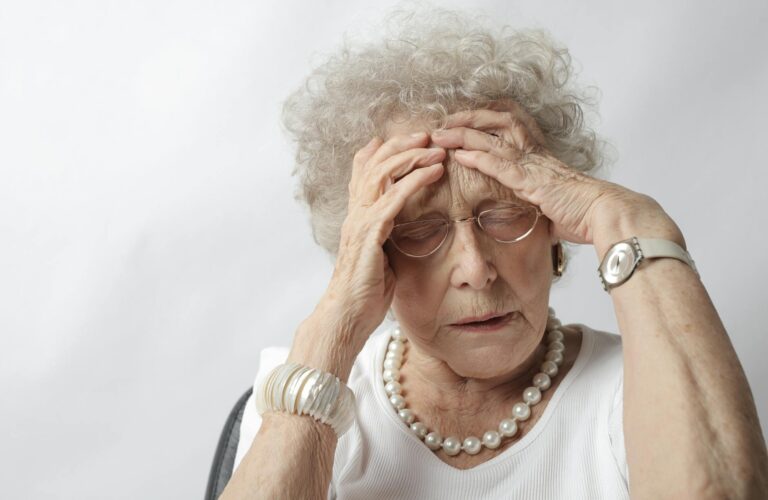
Dehydration increases the risk of falls in older adults primarily because it negatively affects several critical bodily functions that maintain balance, cognition, and physical strength. When an older person becomes dehydrated, their blood volume decreases, which can lead to low blood pressure and reduced blood flow to the brain. This often causes dizziness, lightheadedness, or fainting spells—immediate triggers for falls.
As people age, their bodies naturally hold less water and their kidneys become less efficient at conserving fluids. Additionally, the sensation of thirst diminishes with age, so many seniors do not drink enough fluids even when they need them. This combination makes dehydration more common among older adults than younger people.
Dehydration also impairs cognitive function. When the brain is not adequately hydrated, confusion and slower reaction times can occur. These cognitive changes reduce an older adult’s ability to recognize hazards or respond quickly if they lose balance.
Muscle strength is another key factor affected by dehydration. Proper hydration is essential for muscle function; without enough fluid and electrolytes like potassium and sodium being balanced in the body, muscles can cramp or weaken easily. Weak muscles make it harder for seniors to recover from a stumble or maintain steady walking patterns.
Furthermore, dehydration can cause orthostatic hypotension—a sudden drop in blood pressure when standing up—which leads to dizziness or fainting episodes that directly increase fall risk.
Older adults often have other health conditions such as neuropathy (loss of sensation in feet), vision problems like cataracts or macular degeneration affecting spatial awareness and balance; these issues are worsened by dehydration’s effects on circulation and nerve function.
Medications commonly prescribed to seniors may also contribute indirectly: some drugs increase urine output (diuretics) leading to fluid loss; others affect heart rate or blood pressure regulation making hydration status even more critical.
Environmental factors combined with these physiological vulnerabilities create a perfect storm where even minor dehydration tips an older adult into instability resulting in a fall event.
In summary:
– Dehydration reduces blood volume causing low blood pressure → dizziness/fainting
– Impaired cognition due to brain dehydration → poor hazard recognition & slower reflexes
– Muscle weakness/cramping from electrolyte imbalance → decreased ability to recover balance
– Orthostatic hypotension triggered by fluid loss → sudden dizziness on standing
– Exacerbates existing sensory impairments (vision/neuropathy) that help maintain stability
Because falls are a leading cause of injury among seniors—often resulting in fractures or loss of independence—maintaining proper hydration is crucial as part of comprehensive fall prevention strategies for aging individuals. Encouraging regular fluid intake throughout the day helps support cardiovascular stability, muscle performance, mental clarity—and ultimately reduces one major modifiable risk factor for falling among older adults.