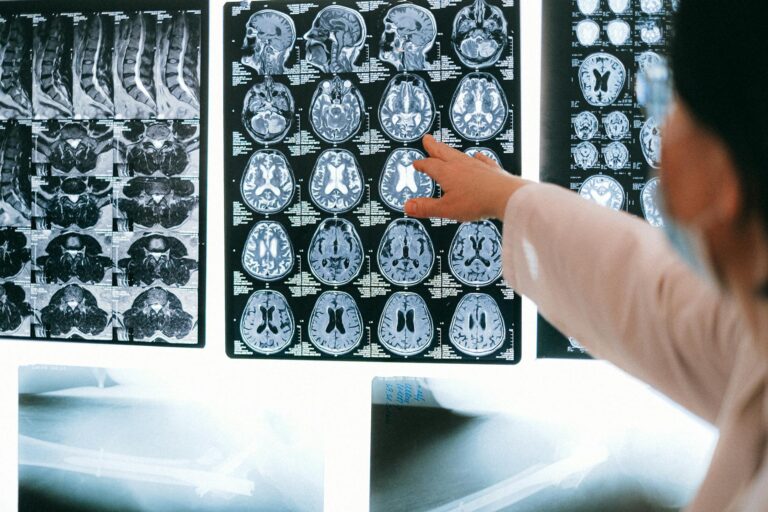
Brain plasticity, also known as neuroplasticity, is the brain’s remarkable ability to change and adapt its structure and function throughout life. This capacity means that the brain is not a fixed organ but a dynamic one that can reorganize itself by forming new neural connections or strengthening existing ones in response to experiences, learning, injury, or environmental changes.
When it comes to memory recovery, brain plasticity plays a crucial role. Memory depends on networks of neurons communicating effectively. If these networks are damaged—due to trauma, stroke, addiction effects, or other neurological conditions—the brain’s plastic nature allows it to rewire itself by creating alternative pathways or enhancing underused circuits. This rewiring helps restore lost functions and improve memory performance over time.
The process of memory recovery through neuroplasticity involves several key mechanisms:
– **Formation of New Connections:** The brain can grow new synapses between neurons when exposed to learning activities or rehabilitation exercises. These new connections help compensate for damaged areas involved in storing and retrieving memories.
– **Strengthening Existing Pathways:** Repeated use of certain neural circuits makes them stronger and more efficient—a principle often summarized as “neurons that fire together wire together.” Engaging in cognitive tasks repeatedly reinforces these pathways critical for memory.
– **Recruitment of Alternative Brain Regions:** Sometimes parts of the brain not originally responsible for certain types of memory take over those functions after injury. For example, if one area controlling short-term memory is impaired, another nearby region might adapt to support this role.
Several regions are especially important in this process:
– The **hippocampus** is central for forming new memories; its health and activity level significantly influence how well someone recovers their ability to learn and remember after damage.
– The **prefrontal cortex** helps with working memory (holding information temporarily) and decision-making related to recalling memories.
– The **amygdala** influences emotional aspects tied into memories which affect how strongly they are encoded or retrieved.
A protein called Brain-Derived Neurotrophic Factor (BDNF) supports neuroplasticity by promoting neuron survival and encouraging growth during recovery phases. Activities such as physical exercise, mental challenges like puzzles or learning new skills, social interaction, proper sleep patterns, stress management techniques like meditation—all stimulate BDNF production—thereby enhancing the brain’s capacity for repair[1][2].
In practical terms:
1. After an injury affecting memory areas (like traumatic brain injury), targeted therapies use repetitive cognitive exercises designed specifically around affected functions so the patient’s brain gradually rebuilds those abilities.
2. Lifestyle changes including regular aerobic exercise have been shown not only to boost BDNF but also increase blood flow delivering oxygen/nutrients essential for healing damaged tissue supporting better long-term outcomes[1][2].
3. Emotional trauma can disrupt normal neural functioning related to both emotion regulation centers (like amygdala) and hippocampus-dependent memories; therapeutic approaches harnessing neuroplastic principles help patients reframe traumatic experiences reducing their negative impact on overall cognition[3].
4. Addiction hijacks reward systems linked closely with motivation/memory circuits; however through sustained therapy combined with lifestyle improvements leveraging neuroplasticity principles individuals regain control over cravings while restoring healthier cognitive-emotional balance[1].
The implications extend beyond clinical settings: understanding that our brains remain malleable encourages lifelong learning habits which continually refine our cognitive abilities including various forms of memory — from procedural skills like riding a bike up through complex episodic recollections about personal life events[2][5]. It means no matter your age or past setbacks your mind retains potential for growth given appropriate stimulation.
This adaptability underscores why rehabilitation programs emphasize personalized training regimens tailored toward stimulating specific neural networks associated with different types of memories — whether spatial navigation skills lost after stroke or verbal recall difficulties following concussion — each benefits from carefully structured practice exploiting inherent plastic properties within neuronal circuitry[4].
Ultimately what makes neuroplasticity so powerful regarding memory recovery i