Dementia patients sometimes mistake what they see on TV for reality because their brains struggle to distinguish between real life and images or stories presented on a screen. This confusion arises primarily from the cognitive decline caused by dementia, which affects memory, perception, and spatial awareness.
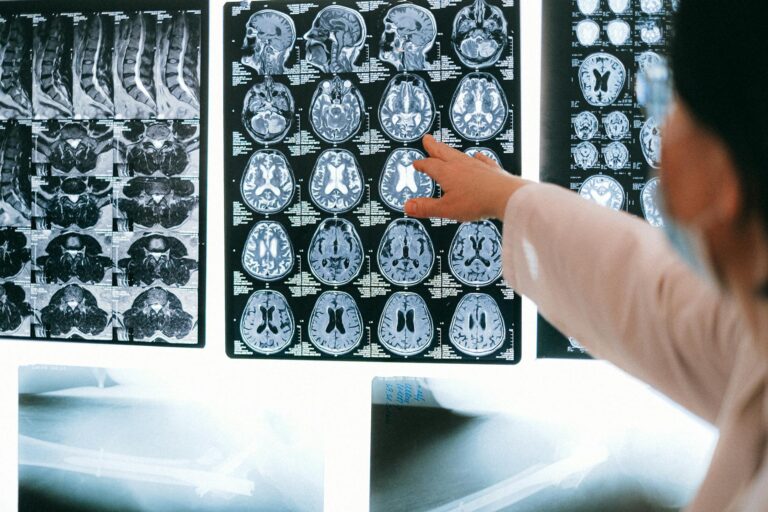
In dementia, especially Alzheimer’s disease—the most common form—brain cells that handle memory and understanding gradually deteriorate. The hippocampus, a critical area for forming and retrieving recent memories, becomes damaged. When this happens, patients cannot accurately recall what is real versus what is seen or heard in the moment. Instead of recognizing TV shows as fictional or separate from their environment, they may interpret them as actual events happening around them.
Additionally, dementia impairs executive functions—the brain’s ability to process information logically and make judgments about context. This means that when a person with dementia watches TV characters interacting or hears voices coming from the television set, they might believe those people are physically present in the room with them.
Spatial awareness also declines in dementia patients. They lose track of where objects are located relative to themselves and have difficulty distinguishing between different environments. Because of this impaired spatial recall combined with memory loss about time and place, it becomes harder for them to understand that the scenes on TV are happening elsewhere at another time.
Emotional factors play a role too. Dementia often causes anxiety or fear due to confusion about surroundings or situations they don’t fully comprehend. When watching television shows depicting familiar social interactions—like family gatherings or conversations—they may feel comforted by these images but simultaneously believe these scenarios involve themselves directly because their brain tries to make sense of fragmented information by filling gaps with plausible but incorrect interpretations.
Sometimes this leads to behaviors such as talking back to characters on screen or trying to interact physically with people who aren’t there because their perception blurs fiction with reality.
The sensory input from television—moving images combined with sound—is very vivid compared to other stimuli in their environment; it can capture attention strongly enough that distinguishing it from actual experience becomes difficult without intact cognitive filtering mechanisms.
In summary:
– Damage in key brain areas responsible for recent memory formation causes retrieval errors where old memories mix inaccurately with current perceptions.
– Impaired judgment prevents recognizing TV content as separate fiction.
– Loss of spatial orientation makes it hard for patients to place themselves correctly relative to what they see.
– Emotional needs drive attempts at connection based on perceived social cues coming through the screen.
– Strong audiovisual stimulation overwhelms weakened cognitive filters leading to blurred lines between reality and media content.
Understanding these factors helps caregivers approach such situations patiently without frustration while ensuring safety—for example by gently redirecting attention away from confusing programs toward more calming activities tailored for someone living with dementia’s unique needs.