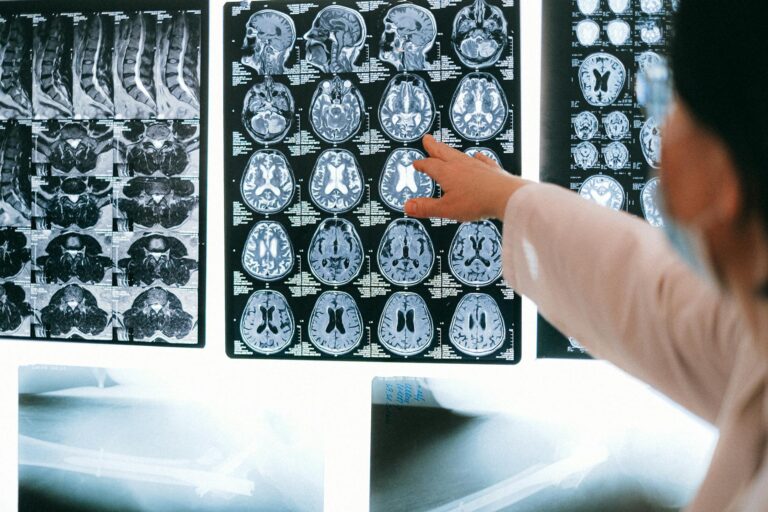
Certain infections can cause sudden confusion in elderly individuals primarily because infections trigger inflammatory and chemical changes in the brain, which affect cognitive function. In older adults, the immune system is often weakened due to age-related decline, making it harder for their bodies to fight off infections effectively. This vulnerability allows infections—especially urinary tract infections (UTIs), respiratory infections like pneumonia, and others—to provoke systemic inflammation that impacts brain function more dramatically than in younger people.
One of the most common examples is a urinary tract infection (UTI). While younger people with UTIs typically experience symptoms such as burning during urination or frequent urges to urinate, elderly patients often show atypical signs. Instead of classic symptoms, they may suddenly become confused or disoriented—a condition known as delirium—which can appear as memory lapses, agitation, withdrawal from social interaction, or unusual behavior. This happens because bacteria from the infection stimulate an immune response that releases inflammatory chemicals into the bloodstream; these chemicals can cross into the brain and disrupt normal neural activity.
The aging brain is more susceptible to these disruptions for several reasons:
– **Reduced Immune Response:** Older adults have a less robust immune system that responds differently to pathogens. The inflammation caused by infection may be exaggerated or prolonged.
– **Pre-existing Cognitive Vulnerabilities:** Many seniors already have some degree of cognitive impairment or reduced cognitive reserve due to conditions like mild dementia or vascular changes in the brain. Infection-induced inflammation can worsen these underlying issues quickly.
– **Changes in Blood-Brain Barrier:** With age and illness, this protective barrier becomes more permeable allowing inflammatory molecules easier access into brain tissue.
Besides UTIs, respiratory infections such as pneumonia also frequently cause sudden confusion among elderly patients. Pneumonia leads not only to low oxygen levels but also systemic inflammation which similarly affects cognition. Other types of serious bacterial or viral infections anywhere in the body can produce similar effects through what’s called “sepsis-associated encephalopathy,” where widespread infection causes acute mental status changes without direct infection of the brain itself.
Additionally important are factors common among seniors that increase risk:
– **Urinary retention** due to prostate enlargement or neurological issues allows bacteria growth.
– **Use of catheters** introduces bacteria directly into normally sterile areas.
– **Dehydration**, common among older adults who may drink less fluid.
– Chronic illnesses such as diabetes impair immune defenses further.
Because symptoms like confusion are sometimes mistaken for worsening dementia rather than an acute medical problem needing urgent treatment, delays occur that allow infection progression and increased risk of complications including hospitalization and death.
Recognizing sudden onset confusion should prompt immediate medical evaluation including urine tests for UTI detection even if typical urinary symptoms are absent. Early antibiotic treatment usually reverses delirium within days if started promptly along with supportive care—hydration maintenance; ensuring a calm environment with familiar routines helps reduce disorientation during recovery; gentle mental stimulation aids cognitive restoration.
In essence, certain infections cause sudden confusion in elderly individuals because their aging bodies respond differently: systemic inflammation triggered by infection disrupts normal brain function rapidly when combined with pre-existing vulnerabilities unique to older adults’ physiology and health status. Awareness about this connection enables caregivers and healthcare providers to identify treatable causes behind abrupt mental changes rather than attributing them solely to chronic neurodegenerative diseases alone.