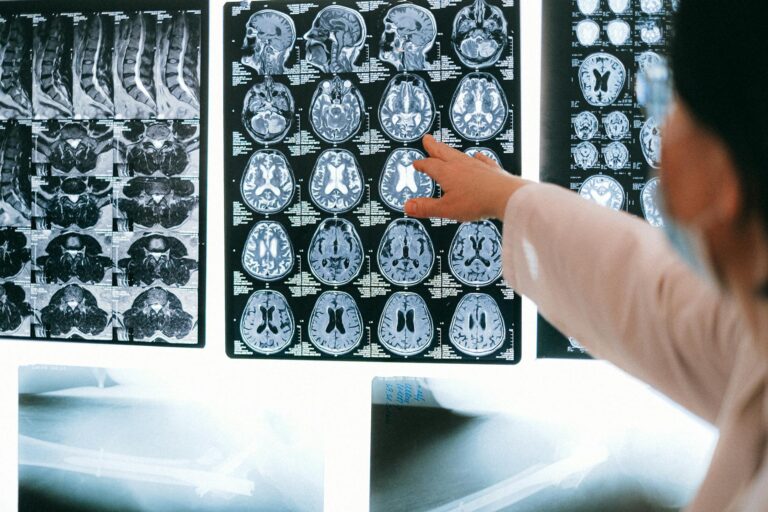
Art therapy offers profound benefits for people experiencing memory loss by engaging the brain in creative processes that stimulate cognition, evoke emotions, and foster meaningful expression. When memory begins to fade due to conditions like dementia or Alzheimer’s disease, traditional communication and cognitive functions can become challenging. Art therapy provides an alternative pathway—one that taps into long-term memories, sensory experiences, and emotional centers of the brain that often remain accessible even as other faculties decline.
At its core, art therapy involves using various artistic activities such as painting, drawing, sculpting, or crafting to help individuals express themselves without relying solely on words. For people with memory loss who may struggle with verbal communication or recalling recent events, this non-verbal form of expression becomes a vital outlet for sharing feelings like joy, frustration, love, or grief. The act of creating art allows them to communicate complex emotions safely and meaningfully.
One key benefit is how art stimulates cognitive function by activating different parts of the brain simultaneously. Engaging in creative tasks encourages problem-solving skills and mental flexibility because it requires planning what to create and making decisions about colors or shapes. This mental exercise helps maintain neural pathways involved in memory retention and recall. Moreover, many individuals find that artistic activities trigger vivid recollections from their past—such as childhood scenes or familiar places—which can bring comfort and a sense of identity when short-term memories are unreliable.
Emotionally and psychologically, art therapy fosters well-being by providing moments of calmness amid confusion caused by memory loss conditions. Creating something tangible instills pride and accomplishment; these feelings counteract common issues like anxiety or depression often experienced by those facing cognitive decline. The tactile nature of working with materials also engages the senses—touching paintbrushes or clay can soothe agitation while grounding individuals in the present moment.
Socially too, participating in group art sessions builds connection among peers who share similar challenges. These shared experiences reduce isolation by encouraging interaction through collaborative projects or simply discussing artwork created during sessions. Such social engagement is crucial since loneliness can exacerbate symptoms related to dementia.
Additionally, some therapeutic programs incorporate intergenerational arts activities where seniors collaborate with younger family members or volunteers on crafts that become cherished keepsakes passed down through generations—a powerful way to reinforce bonds despite fading memories.
Art therapy’s holistic approach supports not only mental but also emotional resilience by helping individuals access parts of themselves beyond their diagnosis—their creativity remains intact even when other abilities diminish significantly.
In practical terms:
– **Memory stimulation:** Artistic creation activates long-term memories linked with emotions.
– **Emotional release:** Non-verbal expression reduces stress and anxiety.
– **Cognitive engagement:** Planning artwork enhances problem-solving skills.
– **Sensory involvement:** Tactile materials provide comfort through sensory stimulation.
– **Self-esteem boost:** Completing projects fosters pride despite cognitive challenges.
– **Social connection:** Group settings encourage interaction reducing feelings of isolation.
– **Legacy building:** Crafts create lasting family heirlooms reinforcing identity across time.
For caregivers and healthcare providers working with people experiencing memory loss disorders such as dementia-related illnesses—or those recovering from strokes affecting cognition—incorporating regular art therapy sessions offers a gentle yet effective means to improve quality of life beyond what medication alone might achieve.
Ultimately it is not just about producing beautiful pieces but about unlocking hidden reserves within each person: their stories preserved through color strokes; their emotions conveyed without words; their minds engaged creatively against the tide of forgetfulness—all contributing toward dignity amid vulnerability through healing power found in artistic expression itself.