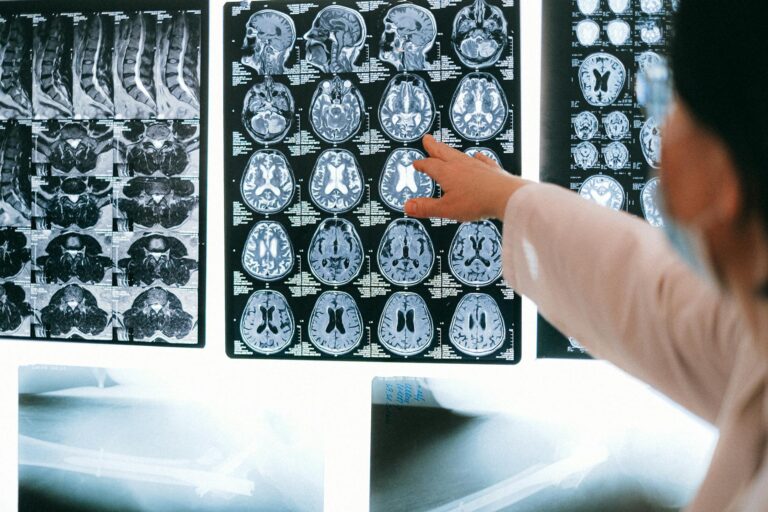
Dementia often causes people to become suspicious or fearful because the disease fundamentally disrupts how the brain processes information, interprets reality, and regulates emotions. As dementia progresses, it damages areas of the brain responsible for memory, judgment, perception, and emotional control. This damage leads to confusion about what is happening around them and difficulty distinguishing between what is real and what is not.
One key reason for suspicion in dementia is that individuals frequently experience **delusions**—false beliefs that are firmly held despite evidence to the contrary. For example, a person with dementia might wrongly believe someone is stealing from them or trying to harm them. These delusions arise because their impaired brain struggles to correctly interpret sensory information or recall recent events accurately. When memories fail or become jumbled, they may fill in gaps with imagined scenarios that feel threatening.
Fearfulness also stems from this confusion combined with a loss of control over their environment and themselves. The world can seem unpredictable and unsafe when familiar faces suddenly feel strange or when routine tasks become overwhelming puzzles. This uncertainty triggers anxiety as they try to protect themselves from perceived dangers that may not exist.
Additionally, dementia affects parts of the brain involved in regulating mood such as the limbic system and prefrontal cortex. Damage here can cause heightened emotional responses like irritability or paranoia alongside cognitive decline. The person’s ability to reason through fears diminishes while emotional reactions intensify.
Sleep disturbances common in many types of dementia further exacerbate suspicion and fearfulness by impairing mental clarity even more; lack of restful sleep can increase hallucinations or paranoid thoughts.
In some forms like Lewy body dementia specifically, visual hallucinations are frequent—seeing things others do not—which naturally fuels mistrust toward caregivers or loved ones who cannot see these visions themselves.
The combination of:
– Memory loss causing gaps filled by false beliefs
– Impaired perception leading to misinterpretation
– Emotional dysregulation increasing anxiety
– Sleep problems worsening cognition
creates an environment where suspicion and fear flourish within a person living with dementia.
Because these symptoms reflect underlying neurological changes rather than intentional behavior, understanding this helps caregivers respond with patience rather than frustration when faced with accusations or fearful reactions from those affected by dementia.