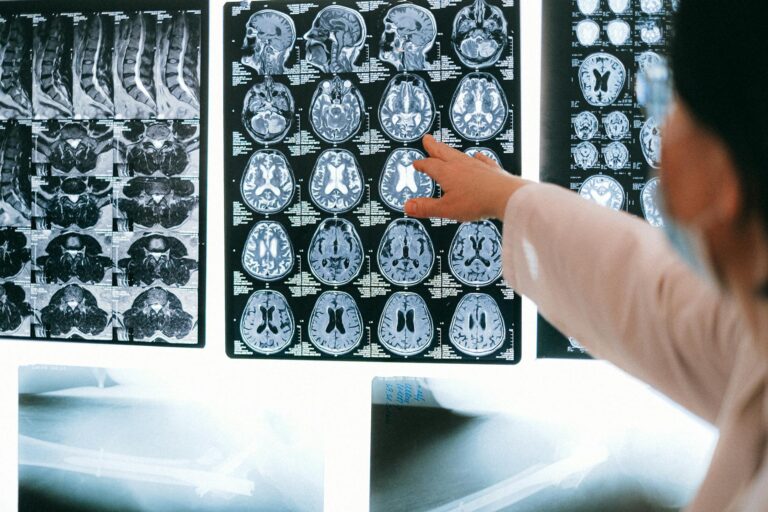
A quiet environment plays a crucial role in supporting memory healing by creating the ideal conditions for the brain to rest, process, and recover. When the surroundings are calm and free from distracting noise, the brain can focus better, reduce stress, and engage in deeper cognitive functions essential for memory consolidation and repair.
Memory healing involves the brain’s ability to restore and strengthen neural connections that support recalling information and learning new things. Noise and constant stimulation can overwhelm the brain, making it difficult to concentrate and increasing anxiety, which negatively impacts memory. In contrast, a quiet environment reduces sensory overload, allowing the brain to enter a state of calm where it can efficiently process memories.
One of the key ways a quiet setting aids memory healing is by lowering stress and anxiety levels. Stress triggers the release of hormones like cortisol, which in high amounts can impair the brain’s memory centers, particularly the hippocampus. When noise is minimized, the body’s relaxation response is activated, reducing cortisol levels and creating a biochemical environment conducive to memory repair. This calm state also enhances focus and attention, which are foundational for encoding and retrieving memories.
Moreover, quiet environments support better sleep quality, which is vital for memory healing. During sleep, especially deep sleep phases, the brain consolidates memories by transferring information from short-term to long-term storage. Noise pollution can disrupt sleep cycles, fragmenting rest and impairing this consolidation process. A peaceful, quiet space promotes uninterrupted sleep, giving the brain the time it needs to heal and strengthen memory pathways.
In settings like memory care facilities, the importance of a quiet, structured environment is well recognized. These places often maintain calm atmospheres with predictable routines and minimal noise to reduce confusion and agitation among individuals with cognitive decline. This stability helps residents feel secure, lowers anxiety, and supports cognitive functions, including memory. Staff are trained to maintain this tranquility and provide gentle redirection when needed, fostering an environment where memory healing can take place more effectively.
Mindfulness practices, often conducted in quiet spaces, further illustrate how silence supports memory. Techniques such as deep breathing and guided meditation calm the mind, reduce perceived anxiety, and improve focus. These practices help the brain engage in restorative processes that enhance short-term memory and may slow cognitive decline. The quietness of the environment amplifies these benefits by minimizing distractions and allowing full attention to the present moment.
Creating a quiet environment at home or in care settings can be simple yet impactful. This might include reducing background noise from televisions or radios, using soft lighting, and designing spaces that feel safe and uncluttered. Such environments encourage relaxation and mental clarity, which are essential for memory healing.
In summary, a quiet environment supports memory healing by reducing stress and anxiety, improving focus, enhancing sleep quality, and providing a stable, calming space where the brain can effectively process and restore memories. This combination of factors creates the optimal conditions for the brain’s natural healing mechanisms to work, helping individuals maintain and improve their memory function over time.