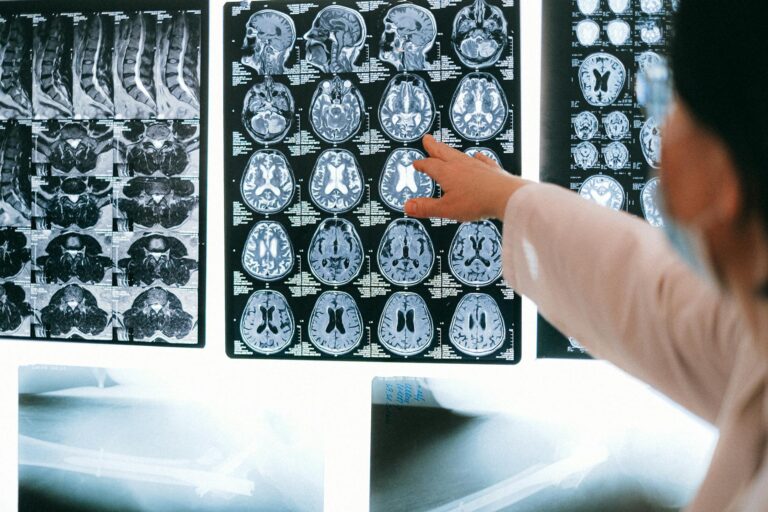
Some people stop recognizing familiar voices due to complex changes in how their brain processes sound, often linked to hearing loss, neurological conditions, or brain injuries. This phenomenon is not simply about not hearing the voice clearly but involves the brain’s difficulty in identifying and interpreting the unique patterns that make a voice recognizable.
Voices are complex auditory signals made up of pitch, tone, rhythm, and subtle nuances. When we recognize someone’s voice, our brain matches these auditory patterns to stored memories of that person’s voice. If this matching process is disrupted, recognition fails. One common cause is **sensorineural hearing loss**, which damages the inner ear or auditory nerve, reducing the clarity and quality of sounds reaching the brain. This damage can make voices sound muffled or distorted, making it harder to pick out familiar voices from background noise or other sounds.
Beyond the ear, the brain itself plays a critical role. Conditions like **auditory agnosia**—a neurological disorder—can impair the brain’s ability to process and recognize sounds, including voices, even when hearing is otherwise intact. This can happen after strokes, traumatic brain injuries, or degenerative diseases such as Alzheimer’s or other forms of dementia. In these cases, the brain’s auditory cortex or related areas responsible for voice recognition may be damaged or functioning abnormally.
Another factor is **hidden hearing loss**, where people have difficulty understanding speech in noisy environments despite having normal hearing tests. This subtle damage affects the synapses between inner ear hair cells and auditory nerve fibers, disrupting the transmission of sound information to the brain. As a result, even familiar voices can become unrecognizable in everyday settings.
Age-related changes also contribute. As people grow older, both the ear and brain undergo changes that can reduce the ability to distinguish voices. This includes a decline in temporal processing—the brain’s ability to detect timing cues in speech—which is crucial for recognizing voice patterns.
Psychological and emotional factors can influence voice recognition too. Stress, fatigue, or cognitive overload can temporarily impair the brain’s processing abilities, making it harder to recognize voices that are usually familiar.
In some cases, people with profound hearing loss or those using hearing aids and cochlear implants may experience altered voice perception. The devices change how sound is delivered to the brain, sometimes making voices sound unnatural or robotic, which can interfere with recognition.
Overall, the loss of voice recognition is a multifaceted issue involving the ear’s ability to capture sound accurately and the brain’s capacity to interpret and match those sounds to known voices. It reflects a complex interplay between sensory input and cognitive processing, and its causes range from physical damage in the ear to neurological impairments and age-related decline.