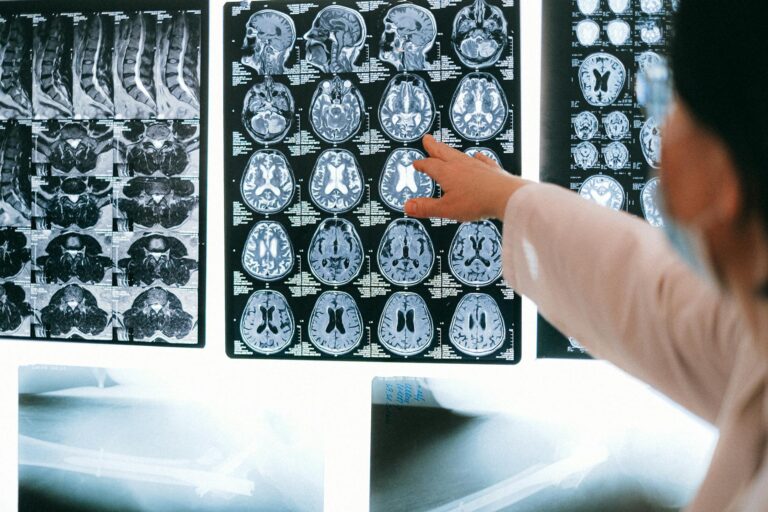
Dementia makes it hard to follow visual cues because it disrupts the brain’s ability to process, interpret, and remember visual information in a coherent way. Visual cues are signals or hints we pick up through sight that help us understand our environment and guide our actions. When someone has dementia, several key brain functions involved in recognizing and responding to these cues become impaired.
At the core of this difficulty is damage to areas of the brain responsible for memory, attention, perception, and eye movement control. Dementia often affects regions like the hippocampus (important for forming new memories), parts of the temporal lobe (involved in recognizing objects and faces), and frontal areas (which help with planning and decision-making). When these areas deteriorate due to dementia-related changes such as Alzheimer’s disease or frontotemporal dementia, a person struggles with linking what they see to what they know or expect.
One major problem is that **semantic memory**—the knowledge about meanings of things—and **episodic memory**—the recall of personal experiences—both degrade in dementia. These types of memory normally help people make sense of visual scenes by connecting current sights with past knowledge or context. For example, if you see a stop sign at an intersection, your semantic memory tells you what that sign means so you can react appropriately. In dementia, this connection weakens; even if someone sees the stop sign clearly, their brain may not fully register its significance or how they should respond.
Additionally, **visual exploration**, which involves moving your eyes purposefully around an environment to gather important information from different places within your field of vision, becomes less efficient. People with dementia may have trouble controlling their eye movements properly—they might fixate too long on irrelevant details or fail to focus on critical parts of a scene because their oculomotor system is impaired. This leads them either to miss important visual cues altogether or become confused by conflicting information.
Another factor is that when objects appear where they don’t “belong” semantically—that is when something looks out-of-place based on prior experience—it becomes even harder for those with dementia to process these incongruities visually. Their brains struggle more than healthy individuals’ brains do when trying to integrate unexpected visual information into existing mental frameworks.
Moreover, some types of dementia cause specific problems related directly to vision itself—not just cognition about vision but how eyes move and perceive stimuli physically—which further complicates following visual cues accurately.
In simpler terms: imagine trying to follow directions using road signs while wearing blurry glasses combined with having trouble remembering what each sign means; this illustrates how people living with dementia experience difficulties interpreting everyday sights correctly due both physical eye movement issues and deeper cognitive impairments affecting understanding.
Because following visual cues requires multiple steps working smoothly together—from seeing clearly through coordinated eye movements; recognizing shapes/colors/positions; recalling meaning from past learning; focusing attention selectively; then deciding how best respond—the breakdown caused by dementia at any point along this chain can make navigating visually complex environments challenging.
This explains why individuals living with various forms of dementia often need extra support when performing tasks involving reading signs around them (like street names), identifying familiar faces quickly in crowds without confusion between people nearby who look similar visually but differ socially/emotionally from remembered relationships—and safely crossing streets where reacting promptly depends heavily on accurate interpretation of traffic lights or pedestrian signals as immediate actionable instructions rather than just colors flashing randomly before their eyes without clear meaning attached anymore.
The impact grows over time as neurodegeneration progresses: early stages might show subtle hesitation looking at things out-of-context while later stages bring more pronounced disorientation caused by inability not only recognize but also remember spatial layouts leading sometimes even familiar rooms feeling strange because expected landmarks no longer trigger recognition pathways effectively enough for confident navigation relying solely on sight-based clues alone without additional verbal guidance or tactile reassurance from caregivers present nearby helping compensate for lost internal processing capacity related specifically toward integrating incoming sensory data into meaningful situational awareness needed moment-to-moment survival decisions outside safe controlled environments lik