Menopause can trigger long-term memory loss primarily due to the significant hormonal changes that occur during this phase, especially the decline in estrogen levels. Estrogen is a hormone that plays a crucial role not only in reproductive health but also in brain function, particularly in areas related to memory and cognition. When estrogen levels drop during perimenopause and menopause, it can lead to noticeable changes in how the brain processes information and retains memories.
One of the most common cognitive symptoms women experience during menopause is often described as “brain fog.” This includes difficulties with recent recall—such as forgetting appointments or misplacing items—as well as challenges with concentration and mental clarity. These symptoms are not indicative of dementia or permanent neurodegenerative disease but rather reflect temporary disruptions linked to hormonal fluctuations.
Estrogen receptors are found throughout the brain, including regions responsible for memory like the hippocampus. Estrogen helps regulate neurotransmitters such as dopamine, which influences attention, motivation, and working memory. As estrogen declines through menopause, dopamine activity may also decrease, contributing to problems with focus and recall. This interaction partly explains why some women notice worsening cognitive symptoms if they have underlying conditions like ADHD during menopause.
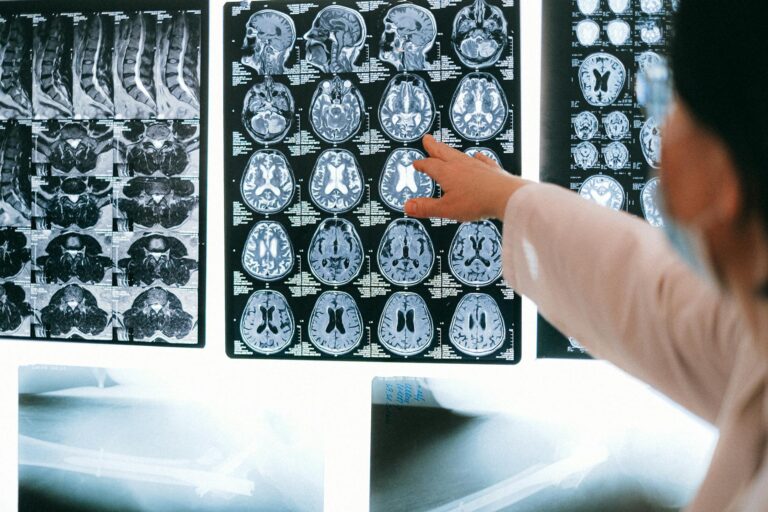
Additionally, menopausal symptoms such as hot flashes and night sweats are associated with changes visible on brain imaging studies; these physical manifestations correlate with altered brain function that can affect cognition temporarily. Mood disturbances like depression or anxiety—which are more common around this time—can further exacerbate memory difficulties by impacting concentration and mental energy.
The transition into menopause typically spans several years (5-8 years), known as perimenopause. During this period of fluctuating hormones rather than a sudden drop alone, many women report increased forgetfulness or lapses in attention that interfere with daily life tasks but tend to improve after reaching postmenopause when hormone levels stabilize at lower levels.
It’s important to note that while these cognitive issues can be frustrating—they might feel like early signs of dementia—they generally do not progress into chronic conditions for most women. Instead, they represent reversible functional deficits linked directly to hormonal shifts rather than structural damage or irreversible decline.
Managing menopausal-related memory loss involves addressing lifestyle factors such as improving sleep quality (since poor sleep worsens cognitive performance), reducing stress through relaxation techniques or therapy (to mitigate mood-related impacts), maintaining physical activity (which supports overall brain health), and considering medical options when appropriate under professional guidance—for example hormone replacement therapy (HRT) which may help alleviate some cognitive symptoms by supplementing declining estrogen levels.
In summary:
– The **drop in estrogen** during menopause disrupts key neurotransmitter systems involved in **memory formation**.
– Women often experience **brain fog**, including forgetfulness about recent events or difficulty concentrating.
– These effects usually coincide with other menopausal symptoms like hot flashes and mood swings.
– Cognitive impairments seen here differ from dementia; they tend to be **temporary** rather than progressive.
– Supporting overall health through good sleep hygiene, stress management, exercise—and sometimes medical treatment—can help reduce these memory challenges over time.
Understanding how deeply interconnected hormones are with brain function helps explain why so many women notice changes around midlife yet also reassures them about their potential reversibility once hormonal balance settles after menopause ends its transition phase.