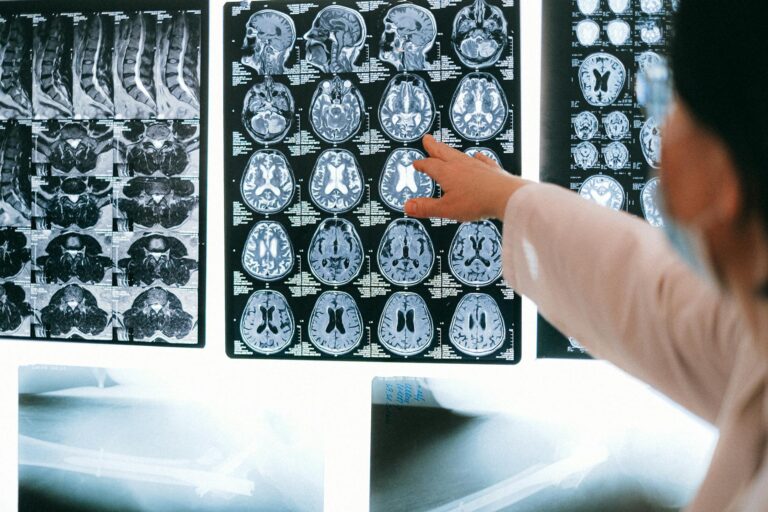
Light therapy plays a significant role in supporting emotional balance in people living with dementia by influencing brain function, mood regulation, and sleep patterns. Dementia often disrupts the brain’s natural rhythms and emotional stability, leading to symptoms such as anxiety, depression, agitation, and sleep disturbances. Light therapy, through carefully controlled exposure to specific wavelengths and intensities of light, helps to restore some of these disrupted processes, thereby promoting emotional well-being.
One of the key ways light therapy supports emotional balance in dementia is by regulating the circadian rhythm, the body’s internal clock that governs sleep-wake cycles. Dementia frequently impairs this rhythm, causing irregular sleep patterns, increased nighttime wakefulness, and daytime fatigue, all of which can worsen mood and cognitive function. Exposure to bright light, especially in the morning, helps reset the circadian clock by signaling the brain to produce alertness hormones like cortisol and suppress melatonin, the sleep hormone. This adjustment improves sleep quality and daytime alertness, which in turn reduces irritability, anxiety, and depressive symptoms common in dementia.
Beyond circadian regulation, certain types of light therapy stimulate brain activity directly. For example, light pulsing at specific frequencies, such as 40 Hz gamma waves, has been shown to enhance neural communication and cognitive clarity in dementia patients. This stimulation can help improve emotional regulation by supporting the brain networks involved in mood and memory. Devices that combine light and sound therapy at these frequencies create a multisensory experience that encourages moments of mental clarity and emotional connection, which are often diminished in dementia.
Red and near-infrared light therapies also contribute to emotional balance by promoting cellular health and reducing inflammation in brain tissues. These wavelengths penetrate the skull and stimulate mitochondria, the energy-producing parts of cells, enhancing brain metabolism and repair processes. Improved brain function through this mechanism can lead to reductions in anxiety and depression symptoms, as well as better sleep, all of which are crucial for emotional stability.
In addition to direct brain effects, light therapy can create calming sensory environments that soothe agitation and anxiety. Sensory rooms equipped with gentle, dynamic lighting engage the visual system in a non-threatening way, helping to stabilize mood and reduce behavioral disturbances. These environments often combine light with sound, touch, and scent to provide a holistic sensory experience that comforts individuals with dementia, many of whom struggle with verbal communication and emotional expression.
The emotional benefits of light therapy in dementia are also linked to its ability to evoke positive memories and feelings. Exposure to naturalistic light patterns or colors reminiscent of daylight can trigger reminiscence and pleasant associations, which help counteract feelings of sadness and confusion. This effect is similar to how nature-inspired virtual reality experiences improve emotional well-being by increasing pleasure and reducing negative emotions such as anxiety and anger.
Importantly, light therapy is non-invasive and generally well-tolerated, making it a practical adjunct to other dementia care strategies. It can be administered through specialized lamps, wearable devices, or integrated into sensory rooms, allowing for flexible and personalized treatment plans. While the exact protocols vary, consistent use over weeks often leads to noticeable improvements in mood, sleep, and overall emotional balance.
In summary, light therapy supports emotional balance in dementia through multiple interconnected pathways: it resets disrupted circadian rhythms to improve sleep and alertness; stimulates brain activity to enhance cognitive and emotional regulation; promotes cellular health to reduce anxiety and depression; creates calming sensory environments that reduce agitation; and evokes positive memories that uplift mood. These combined effects make light therapy a promising tool to enhance quality of life for individuals living with dementia.