Caregivers play a vital role in supporting nonverbal communication, especially when caring for individuals who may have limited or no verbal abilities. Nonverbal communication includes a wide range of behaviors such as facial expressions, gestures, body language, eye contact, tone of voice, and even the use of personal space. Understanding and responding to these cues can greatly enhance connection, trust, and effective interaction between caregivers and those they support.
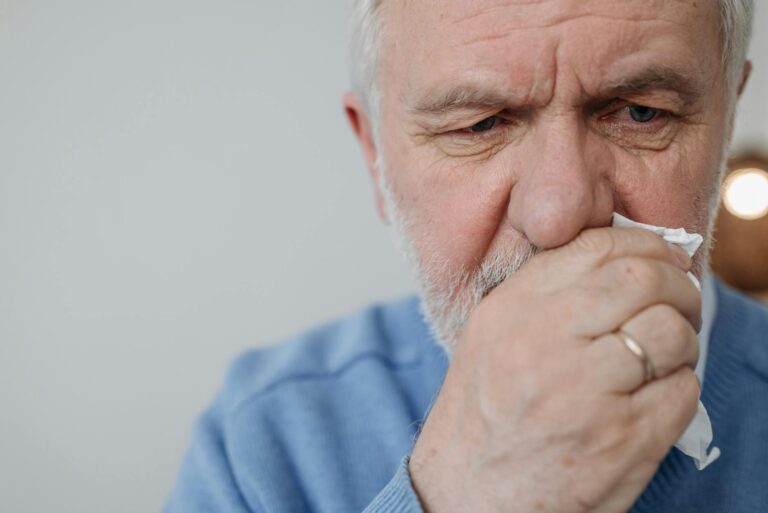
To begin with, caregivers should become keen observers of facial expressions. Faces can reveal emotions like happiness, sadness, frustration, or confusion without a single word being spoken. For example, a smile can indicate comfort or pleasure, while a furrowed brow might signal discomfort or distress. By carefully watching these expressions, caregivers can better understand the needs and feelings of the person they are caring for and respond appropriately.
Gestures are another powerful form of nonverbal communication. Simple movements such as pointing, waving, or nodding can convey clear messages. Caregivers can encourage the use of intentional gestures by modeling them and responding positively when the individual uses them to communicate. For instance, if a person points to a glass of water, the caregiver can acknowledge this by providing the water, reinforcing that gestures are a valid way to express needs.
Eye contact is a subtle but important cue. While cultural differences exist, maintaining gentle eye contact can show attentiveness and respect. Caregivers should be mindful of the individual’s comfort level with eye contact and adjust accordingly. Some may find direct eye contact overwhelming, so caregivers can use soft gazes or look slightly away while still showing engagement.
Body language and posture also communicate a lot. How someone sits or moves can indicate their mood or physical state. A caregiver who notices restlessness or tension in posture might recognize anxiety or discomfort. Encouraging relaxed body positions and mirroring positive body language can help build rapport and ease communication.
Tone of voice, or paralanguage, is crucial even when words are not used. The pitch, volume, and rhythm of sounds or vocalizations can express emotions such as excitement, calmness, or distress. Caregivers should pay attention to these vocal cues and respond with a soothing or enthusiastic tone to match the person’s emotional state, helping to regulate feelings and foster understanding.
Touch is a deeply meaningful form of nonverbal communication when used appropriately. A gentle hand on the shoulder, a reassuring hug, or holding hands can convey safety, comfort, and connection. Caregivers must always be sensitive to personal boundaries and preferences, ensuring that touch is welcome and supportive rather than intrusive.
Creating an environment that supports nonverbal communication is also important. This includes minimizing background noise to help focus attention, arranging seating to face each other for better visual cues, and using clear, uncluttered spaces to reduce distractions. Visual aids like pictures, symbols, or objects can supplement nonverbal cues and provide additional ways for individuals to express themselves.
Patience and consistency are key qualities for caregivers supporting nonverbal communication. It often takes time to learn and interpret an individual’s unique signals. Caregivers should observe patterns, keep track of what certain expressions or gestures mean, and respond consistently to reinforce understanding. This builds trust and encourages more frequent and confident communication.
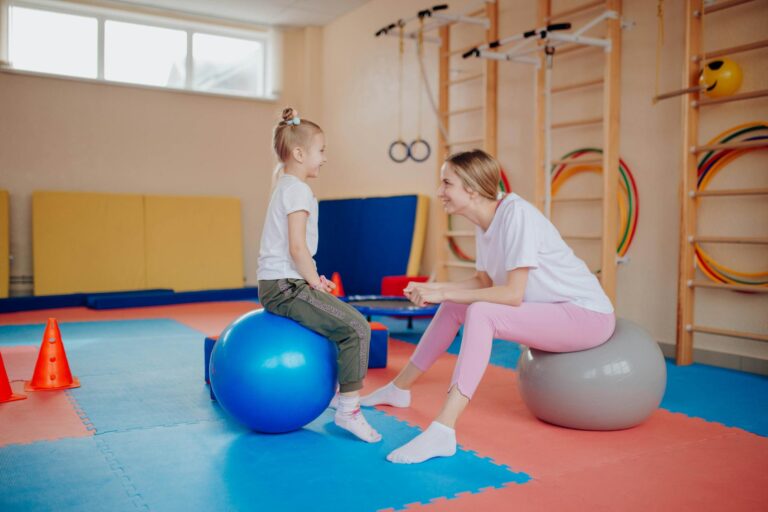
Encouraging participation in activities that promote nonverbal interaction can also be beneficial. Music, art, and movement therapies provide natural opportunities for expression without words. Caregivers can facilitate these activities, watching for signs of enjoyment or discomfort and adapting accordingly.
Importantly, caregivers should avoid making assumptions about what nonverbal cues mean without careful observation and confirmation. For example, a smile might not always mean happiness; it could be a reflex or a mask for other feelings. Asking yes/no questions that can be answered with a nod or shake, or offering choices that can be indicated through gestures, helps clarify meaning.
Training and education about nonverbal communication techniques can empower caregivers to be more effective. Learning about cultural difference