Caregivers of people with Alzheimer’s disease face many challenges, and one critical area that requires careful attention is the management of medications. Alzheimer’s drugs, such as cholinesterase inhibitors (donepezil, rivastigmine, galantamine) and memantine, are commonly prescribed to help manage symptoms or slow progression. However, mixing these medications with other prescriptions can pose significant risks that caregivers must understand to ensure safety and effectiveness.
Alzheimer’s drugs work by targeting brain chemistry—cholinesterase inhibitors prevent the breakdown of acetylcholine, a chemical important for memory and learning; memantine regulates glutamate activity to protect brain cells from damage caused by excess calcium. Because these drugs affect brain function directly, they can interact in complex ways with other medicines taken for common conditions in older adults such as hypertension, diabetes, depression, or arthritis.
One major concern is **drug interactions**. When multiple medications are combined without proper oversight, they may reduce each other’s effectiveness or increase side effects. For example:
– **Anticholinergic drugs**, often found in some antidepressants or antipsychotics used for behavioral symptoms in dementia patients, can counteract cholinesterase inhibitors because they block acetylcholine activity. This reduces the benefit of Alzheimer’s medication and may worsen cognitive symptoms.
– Certain antidepressants like tricyclics or antipsychotic medications may also interact negatively with dementia drugs by increasing side effects such as dizziness or confusion.
– Memantine can raise blood pressure slightly; combining it with other blood pressure medications requires close monitoring to avoid complications.
Caregivers should be aware that even over-the-counter medicines like NSAIDs (nonsteroidal anti-inflammatory drugs) used for pain relief might increase risks when taken alongside Alzheimer’s medication due to potential stomach irritation or bleeding risk.
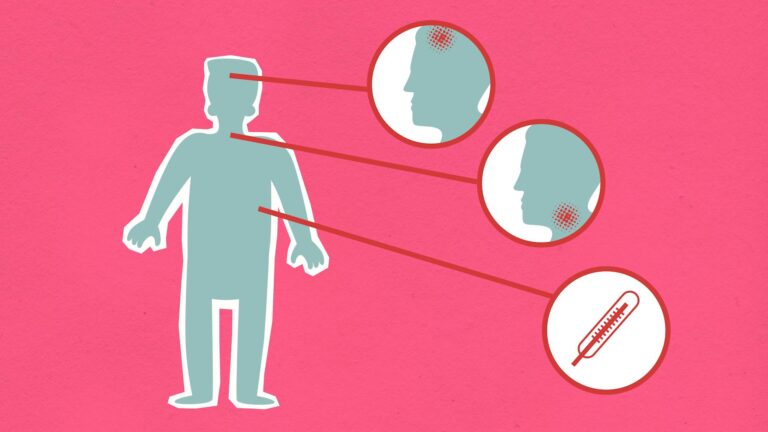
Side effects from Alzheimer’s drugs themselves include nausea, vomiting diarrhea (common with cholinesterase inhibitors), headaches dizziness fatigue constipation drowsiness and sometimes insomnia These side effects might be more pronounced if combined improperly with other prescriptions leading to increased discomfort falls risk dehydration or worsening cognition
Another important factor is **polypharmacy**, which means taking many different medicines simultaneously—a frequent situation among elderly patients who often have multiple chronic health issues besides dementia like heart disease diabetes arthritis etc Polypharmacy increases the chance of harmful drug interactions adverse reactions delirium sedation falls hospitalization
Because clinical trials for new Alzheimer’s treatments often exclude patients who have multiple health problems doctors sometimes lack complete information about how these new therapies will behave alongside common comorbidities This uncertainty makes personalized medical supervision essential when adding any new drug into an existing regimen
Surgery presents another challenge: some anesthesia agents interact poorly with Alzheimer’s meds especially donepezil so it is vital caregivers inform all healthcare providers about current prescriptions before any operation The medical team might adjust treatment temporarily around surgery dates
Alcohol consumption also affects how well Alzheimer’s medication works since alcohol stresses the liver which processes many medicines Drinking alcohol while on these treatments could lead to increased side effects liver damage altered drug levels requiring caution if not avoidance altogether
What should caregivers do?
– Always keep an up-to-date list of all prescription meds over-the-counter products supplements vitamins herbal remedies being taken by their loved one
– Communicate openly and regularly with doctors pharmacists about every medicine including changes in dosage timing
– Watch carefully for signs of adverse reactions such as sudden confusion increased drowsiness agitation falls gastrointestinal upset unusual weakness muscle cramps headaches
– Never start stop change doses without consulting healthcare professionals even if symptoms seem mild
– Ask specifically about possible interactions between newly prescribed dementia meds and existing treatments especially those known for anticholinergic properties cardiovascular impact sedation potential
– Ensure proper administration schedules adherence since missed doses irregular intake can reduce benefits increase risks
Understanding that managing Alzheimer’s disease involves balancing symptom control while minimizing harm from polypharmacy helps caregivers advocate effectively Their vigilance supports safer medication use improves quality of life reduces hospital visits complications relate