Most peaceful sits at the center of this dementia and brain health question.
The most peaceful environments for late-stage dementia care are those that combine safety, familiarity, calmness, and accessibility to support residents’ emotional and cognitive needs. These environments typically feature small-scale, home-like settings with clear, simple layouts that reduce confusion and anxiety. They include secure indoor and outdoor spaces that allow safe wandering and access to nature, which helps maintain mood and circadian rhythms.
Key elements of peaceful dementia care environments include:
– **Small, neighborhood-style layouts** that avoid long hallways and large, impersonal spaces, fostering a sense of familiarity and reducing stress.
– **Clear sightlines and intuitive pathways** with visual cues like color contrasts and memory boxes to help residents navigate independently and feel more secure.
– **Natural light and outdoor access** through large windows and garden courtyards, providing fresh air and sunlight that promote well-being.
– **Quiet, low-noise settings** that minimize background sounds and sudden loud noises, which can be disorienting or upsetting.
– **Purposeful spaces** such as cozy nooks for reflection, communal areas for socializing, and activity rooms that balance stimulation with rest.
– **Safety features** including non-slip floors, handrails, secured perimeters, and monitored exits to prevent wandering and accidents without creating an institutional feel.
– **Consistent daily routines and specialized staff training** to reduce confusion and manage behaviors compassionately, ensuring residents receive personalized care with dignity.
– **Familiar objects and personalized touches** that help ground residents emotionally and cognitively, easing transitions and reducing agitation.
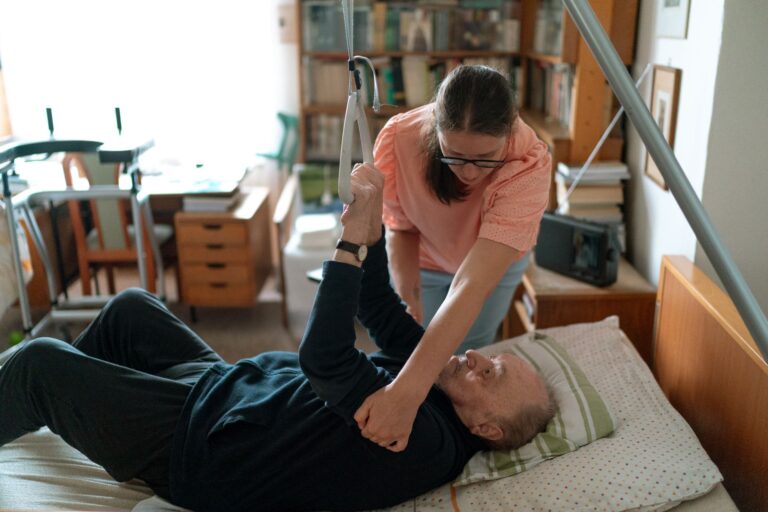
Whether in specialized memory care facilities or adapted home environments, these peaceful settings prioritize emotional comfort, safety, and gentle stimulation, which are essential for improving quality of life in late-stage dementia. Outdoor spaces, when secure and accessible, also play a vital role by offering calming sensory experiences and opportunities for gentle activity. Creating such environments requires thoughtful design and caregiving approaches that respect the unique challenges of dementia while promoting a sense of security and belonging.
For more, see Alzheimer’s Association — medical tests.