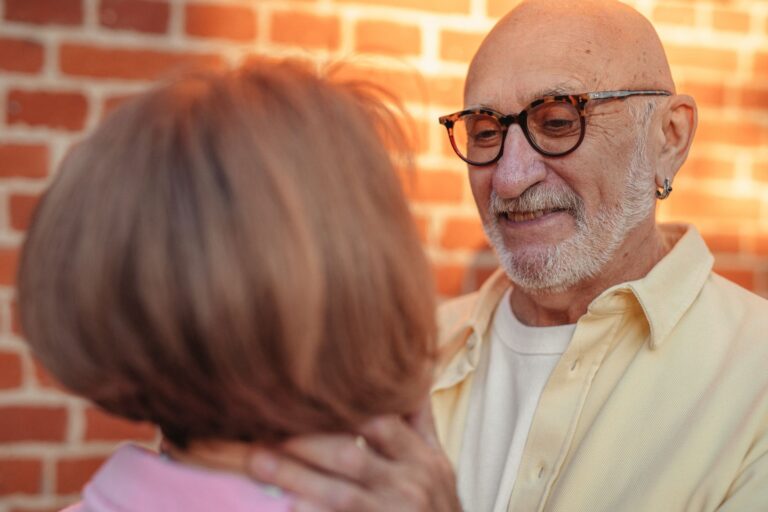
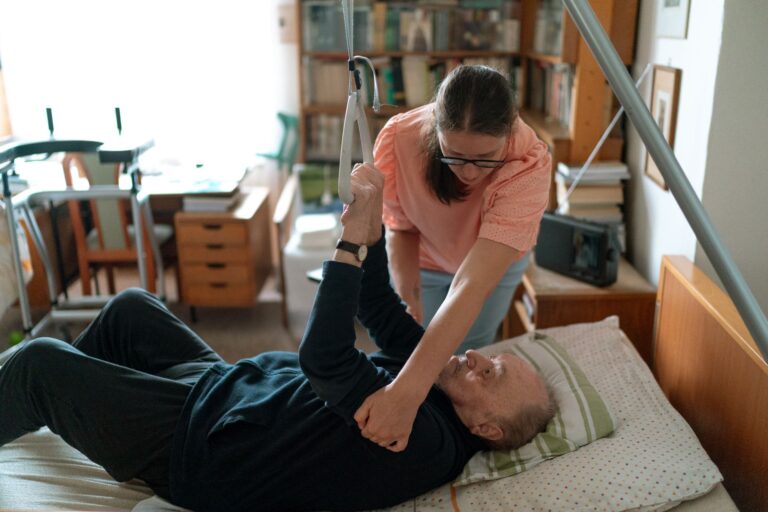
Dementia patient sits at the center of this dementia and brain health question.
Taking a person with dementia on public transportation can be helpful, but it requires careful planning and consideration of their needs. Public transport can offer social interaction, a sense of independence, and access to community activities, which are important for the well-being of someone living with dementia. However, the environment can also be overwhelming due to crowds, noise, and complex navigation.
To make public transportation beneficial for a dementia patient, it helps if the system is dementia-friendly. This means clear, simple signage with large, high-contrast letters and straightforward language to help orientation. Training for drivers and staff to understand dementia can improve their ability to assist passengers who may become confused or anxious. Quiet waiting areas and predictable routines also reduce stress during travel.
Safety is a key concern. People with dementia may have difficulty remembering routes, recognizing stops, or managing unexpected changes. Having a caregiver accompany them can provide reassurance and support. Planning trips during less busy times, choosing short routes, and allowing extra time can make the experience smoother.
Using public transportation can also promote physical activity and mental engagement, which are beneficial for brain health. For example, combining walking or cycling with transit use has been linked to lower risks of dementia and improved memory function.
On the other hand, some challenges include the risk of falls, getting lost, or feeling vulnerable in unfamiliar settings. Specialized transport services designed for elderly or cognitively impaired passengers can offer safer, more comfortable alternatives when public transit is too difficult.
Overall, taking a dementia patient on public transportation can be positive if the environment is supportive, the trip is well planned, and the person has appropriate assistance. It can help maintain their connection to the community and enhance quality of life, but it must be tailored to their stage of dementia and individual comfort level.
For more, see NIH MedlinePlus — dementia.