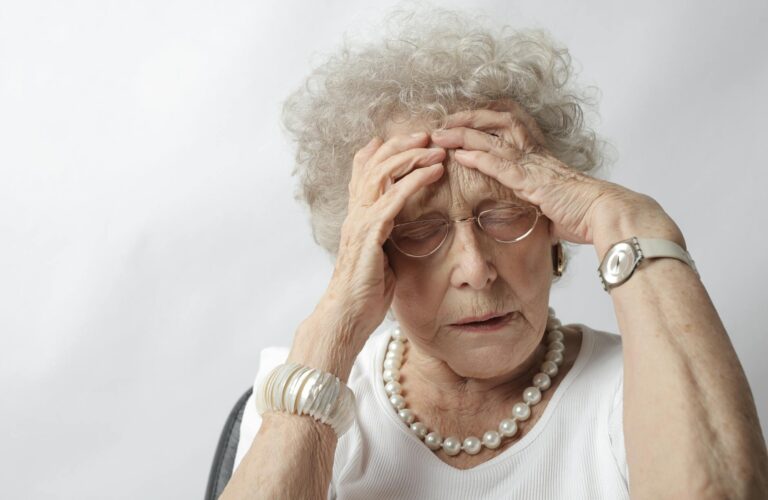
The day I found out dementia runs in our family was a moment that changed how I saw my past and my future. It wasn’t just about one person getting forgetful or confused—it was about realizing that this condition might be something that could affect many of us, across generations.
It started with a conversation, maybe during a family gathering or a quiet moment with a relative. Someone mentioned that Grandma had been diagnosed with dementia. At first, I thought it was just something that happens to old people, something distant. But then, I learned that several family members, not just Grandma, had shown signs of memory loss or confusion as they aged. It became clear that dementia wasn’t just a one-time thing in our family—it was something that seemed to run through our bloodline.
Dementia isn’t just one disease; it’s a group of symptoms affecting memory, thinking, and behavior. Alzheimer’s disease is the most common type, but there are others like vascular dementia and Lewy body dementia. Some forms of dementia have stronger genetic links than others. For example, certain rare types of Alzheimer’s are inherited directly, but most cases don’t have a clear family pattern. Still, having relatives with dementia can increase your risk, especially if multiple family members have been affected.
Learning this made me think about the health habits and conditions that also run in families—things like high blood pressure, diabetes, or cholesterol. These can increase the chance of developing vascular dementia because they affect blood flow to the brain. So, it’s not just about genes but also about lifestyle and managing health risks.
Finding out about our family’s history of dementia also brought up feelings of worry and uncertainty. What if I or my children develop it someday? But it also made me realize the importance of early awareness. Knowing our family history means we can watch for early signs, get medical advice sooner, and take steps to support brain health.
It also changed how I think about those family members who struggled with dementia. Instead of just seeing their confusion or forgetfulness, I began to understand the challenges they faced and the courage it took to live with this condition. It reminded me to be patient and compassionate, knowing that their behavior might be a way of expressing needs they can no longer put into words.
This knowledge has made me more attentive to my own brain health—trying to stay active, eat well, and keep my mind engaged. It’s a reminder that while we can’t change our genes, we can influence how we age and how we support each other.
The day I found out dementia runs in our family wasn’t just about a diagnosis or a risk. It was about connection—connecting the past to the present, understanding the struggles of those who came before, and preparing to face the future with awareness and care.