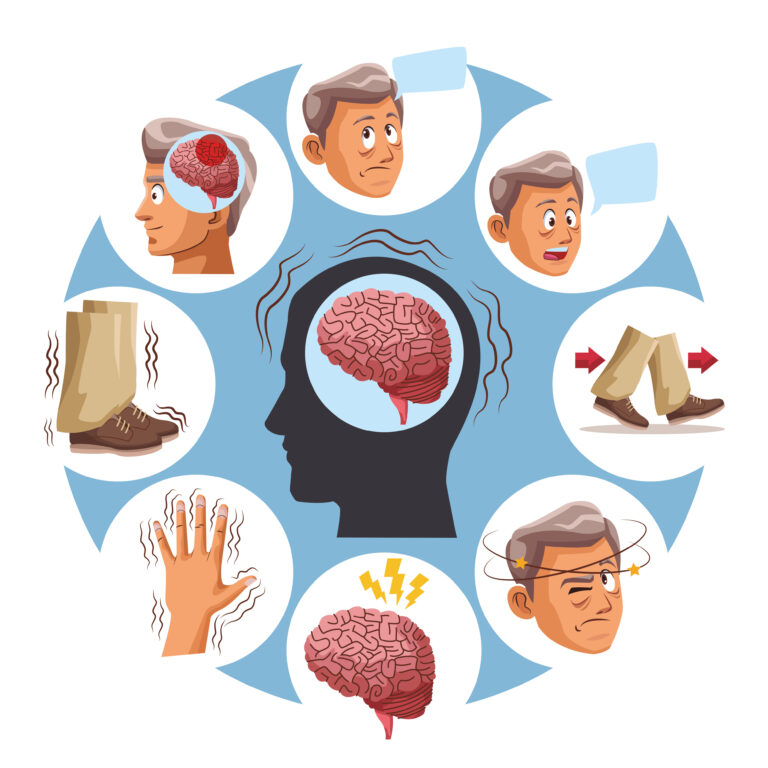
When older adults experience a change of scenery, such as moving to a new home or spending time in an unfamiliar place, they often feel confused or disoriented. This happens because their brains rely heavily on familiar surroundings and routines to make sense of the world. As people age, their ability to quickly adapt to new environments can decline due to changes in memory, attention, and spatial awareness.
Older adults build mental maps of their daily environment over many years. These maps help them navigate safely and confidently without much conscious effort. When the scenery changes suddenly—like moving from a long-time home to a care facility or even rearranging furniture—their brain must work harder to update these mental maps. This extra effort can lead to confusion because it disrupts their sense of place and security.
Additionally, aging is often accompanied by some decline in cognitive functions such as short-term memory and processing speed. These changes make it more difficult for older adults to remember new information about where things are located or how spaces are organized. Without familiar cues that once helped them orient themselves easily, they may feel lost or anxious.
Another factor is that routine provides comfort and stability for seniors. A sudden change interrupts daily habits like meal times, walking routes, or social interactions—all important anchors for mental well-being. When these anchors shift unexpectedly, it can cause stress which further impairs cognitive function temporarily.
Sensory changes also play a role; vision and hearing may not be as sharp with age, making it harder for older adults to pick up environmental clues that younger people might notice immediately—such as signs on doors or sounds indicating location—which adds another layer of difficulty when adapting.
Socially and emotionally too, being in an unfamiliar setting can increase feelings of isolation if there aren’t familiar faces around. This emotional discomfort compounds confusion since anxiety affects concentration and memory negatively.
In summary: The confusion caused by changing scenery in older adults comes from the challenge their brains face updating long-established mental maps combined with natural declines in cognition and sensory perception plus disruption of comforting routines—all contributing factors that make adapting slower and more stressful than for younger individuals.