Dreams tend to become more symbolic as people grow older because the way our minds process experiences and emotions changes with age. When we are young, dreams often reflect straightforward thoughts and daily events. But as we age, our brains start to think in more abstract and complex ways, so dreams shift from literal images to symbols that represent deeper feelings, memories, or unresolved issues.
One reason for this is that older adults accumulate a lifetime of experiences, knowledge, and emotions. Instead of dreaming about simple events, their minds weave these elements into symbolic stories or images that stand for broader themes like identity, loss, hope, or fear. For example, a dream about a locked door might symbolize feeling stuck in life or facing an important decision, rather than just a door itself.
Another factor is that as people age, their emotional processing becomes more nuanced. Dreams serve as a way for the subconscious to work through complex feelings that might be difficult to express directly. Symbolism in dreams allows the mind to explore these emotions safely and creatively.
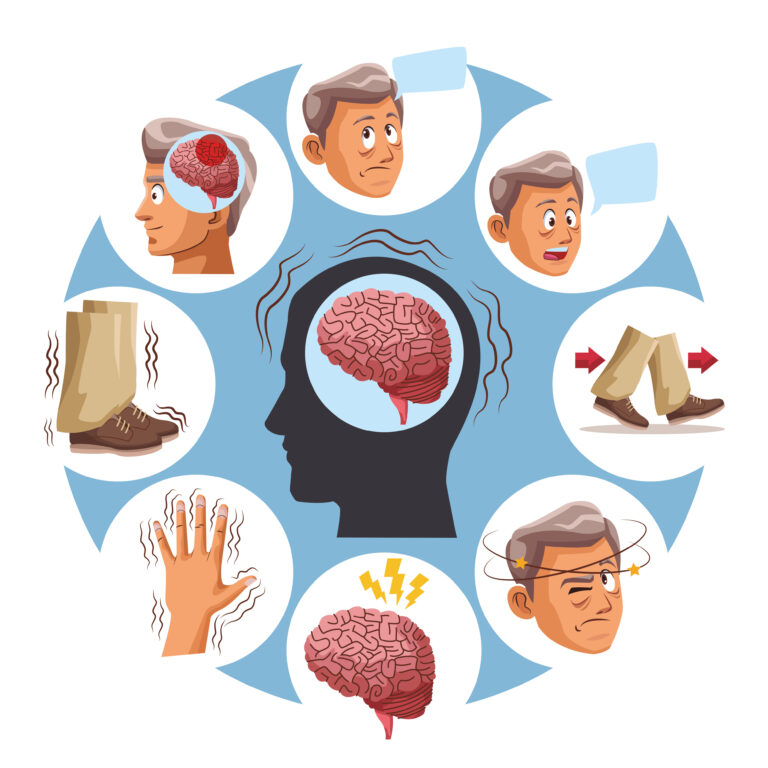
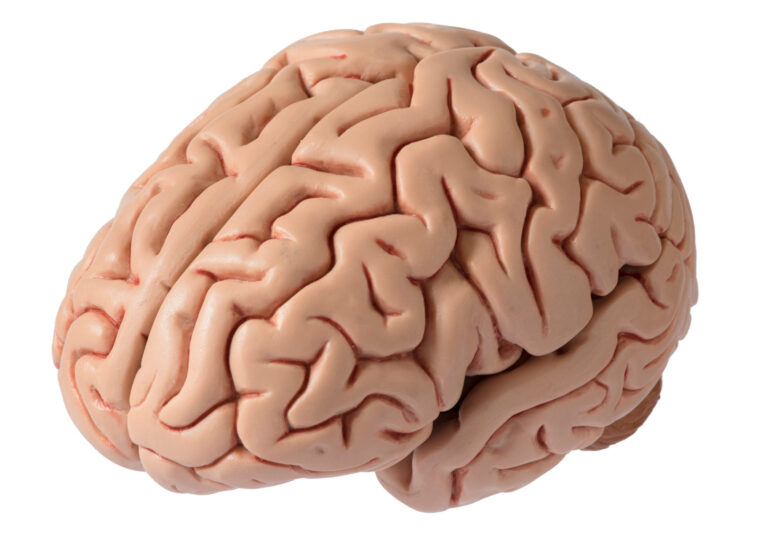
Additionally, changes in brain function with age can influence how dreams are formed. The brain areas responsible for abstract thinking and memory integration become more active during sleep, encouraging symbolic rather than literal dream content.
In essence, symbolic dreams in later life reflect a richer inner world shaped by years of experience, emotional depth, and cognitive changes. They help older adults make sense of their lives in a more meaningful and imaginative way.