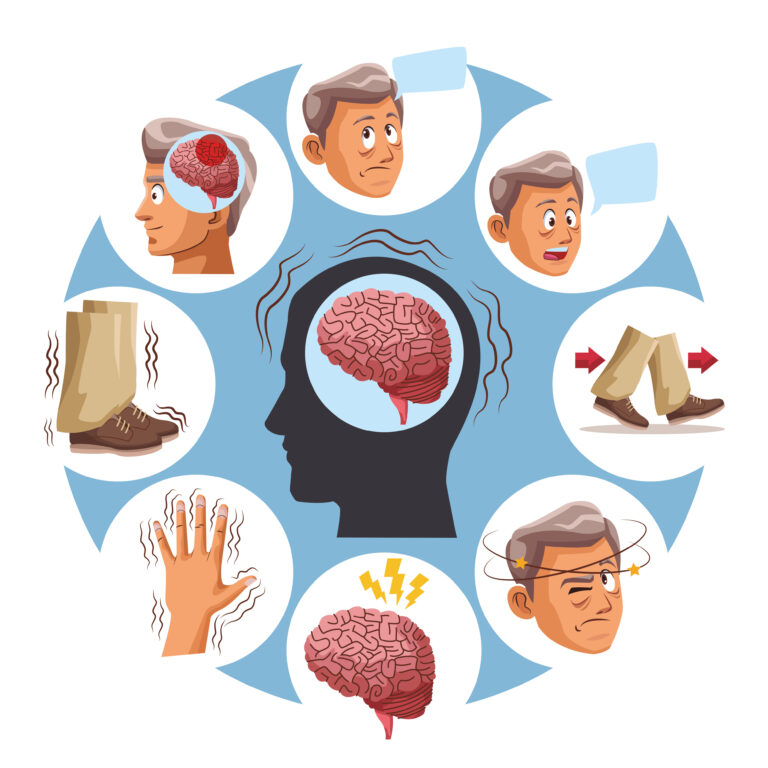
When a person with dementia forgets family traditions, it reflects how the disease affects their memory and brain function. Dementia gradually impairs the ability to recall events, recognize familiar people, and remember routines, including cherished family customs. This forgetting is not about choice or lack of care; it is a symptom of the brain’s changing ability to store and retrieve memories.
Family traditions often involve complex memories tied to specific times, places, and emotions. These memories can become harder to access as dementia progresses because the brain areas responsible for long-term memory and sequencing activities are affected. For example, a person might not remember how to set the holiday table, recall the steps of a traditional recipe, or recognize the significance of certain decorations. This can be confusing and sometimes upsetting for both the person with dementia and their family.
However, forgetting traditions doesn’t mean the person has lost all connection to their past or family. They may still respond to the feelings and atmosphere associated with traditions, even if the details escape them. Engaging them in simple, familiar activities related to traditions—like looking at old photos, listening to favorite music, or helping with easy tasks—can evoke positive emotions and a sense of belonging. These moments can be comforting and meaningful, even if the full tradition isn’t remembered.
Families can adapt traditions to fit the current abilities of their loved one. This might mean simplifying activities, focusing on sensory experiences like smells and tastes, or creating new, less demanding rituals that still honor the spirit of the original tradition. The goal shifts from perfectly recreating the past to sharing moments of joy and connection in the present.
Ultimately, when dementia patients forget family traditions, it highlights the importance of patience, understanding, and creativity in caregiving. It’s about finding new ways to celebrate relationships and memories, even as the disease changes how those memories are accessed and expressed.