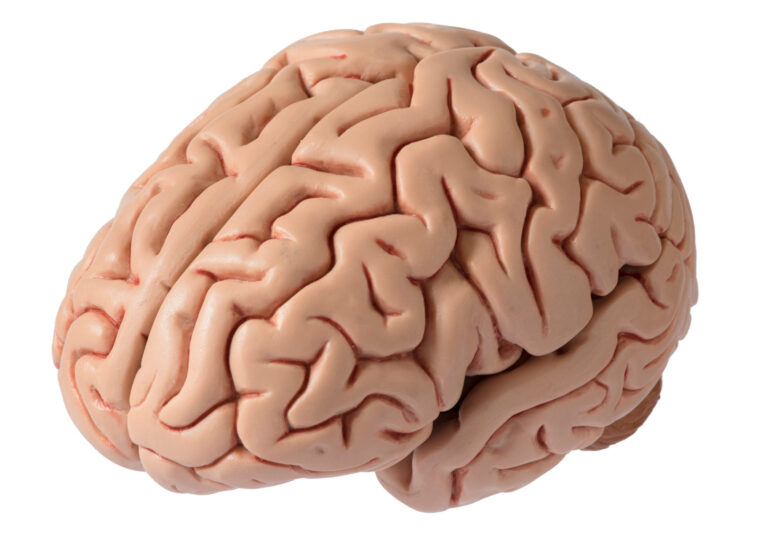
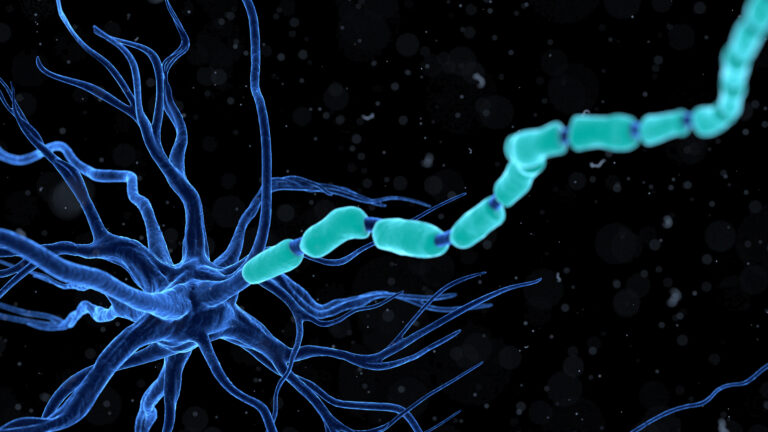
Insulin resistance, a condition where the body’s cells don’t respond well to insulin, can accelerate brain aging by disrupting how the brain uses energy and maintains its health. Normally, insulin helps regulate glucose metabolism not only in the body but also in the brain, supporting neuron function and protecting against damage. When insulin resistance develops, especially in conditions like type 2 diabetes, this protective signaling weakens.
In the aging brain affected by insulin resistance, several harmful processes occur. First, neurons lose their ability to adapt and form new connections—a process called synaptic plasticity—which is essential for learning and memory. Insulin resistance also reduces neurogenesis (the creation of new neurons), limiting the brain’s flexibility to cope with stress or injury.
Moreover, insulin resistance promotes chronic inflammation within the brain. Immune cells called microglia shift into a pro-inflammatory state that releases damaging molecules harming neurons and supporting cells like astrocytes. These changes impair communication between nerve cells and disrupt critical functions such as maintaining neurotransmitter balance and protecting blood vessels in the brain.
Another consequence is an increase in harmful substances known as advanced glycation end products (AGEs), which accumulate more during both diabetes and aging. AGEs interfere with neuronal metabolism and transport systems inside nerve fibers leading to ongoing degeneration.
Together these factors—impaired energy use due to faulty insulin signaling, increased inflammation from immune cell dysfunction, reduced neuron formation capacity, and toxic metabolic buildup—create an environment that speeds up cognitive decline resembling what is seen in Alzheimer’s disease.
This connection has led some researchers to describe Alzheimer’s as “type 3 diabetes,” highlighting how central impaired insulin action is to neurodegeneration. Brain regions vulnerable to Alzheimer’s show reduced glucose metabolism linked directly with higher levels of systemic insulin resistance even before symptoms appear.
In essence, when your body becomes resistant to insulin over time it doesn’t just affect blood sugar control; it also undermines vital support systems within your brain that keep it youthful and functional — accelerating processes associated with normal aging into earlier cognitive impairment or dementia-like states.