Living with dementia, either personally or through a loved one, can profoundly change how we see the world and ourselves. For me, dementia became an unexpected teacher in patience—a quality I hadn’t fully appreciated until faced with its challenges.
At first, the changes were subtle. Conversations that once flowed easily now required more time and gentle repetition. Simple tasks took longer to complete or needed to be broken down into smaller steps. It was frustrating at times—not just for the person experiencing dementia but also for those around them. But as days turned into months, I realized that rushing or showing impatience only made things harder.
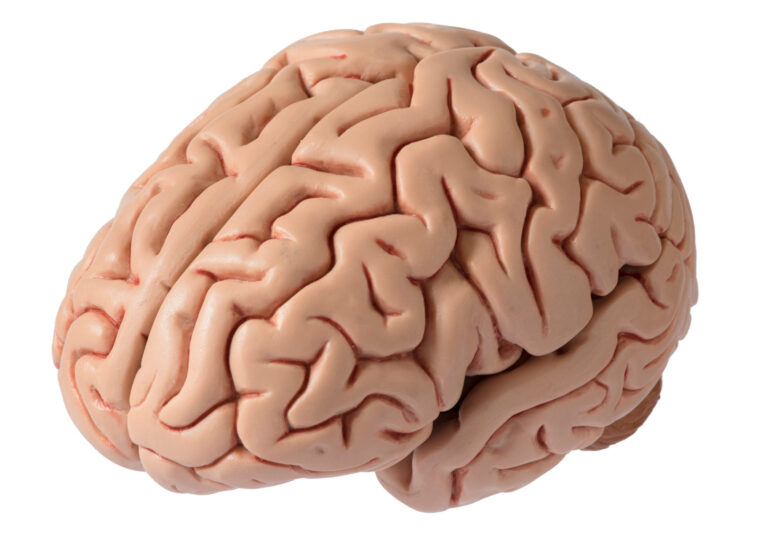
Dementia affects memory and thinking but also mood and behavior in ways that are unpredictable. Someone might suddenly forget familiar faces or become confused about where they are. They may repeat questions or stories without realizing it’s been done before. These moments can feel like setbacks, yet they’re part of a new reality shaped by changes in the brain.
What helped me most was shifting my perspective from frustration to understanding—recognizing that these behaviors aren’t deliberate but symptoms of an illness affecting how someone processes their environment and emotions. Instead of reacting quickly out of irritation, I learned to pause and ask myself what might be causing distress: Are they uncomfortable? Hungry? Overwhelmed by noise or unfamiliar surroundings?
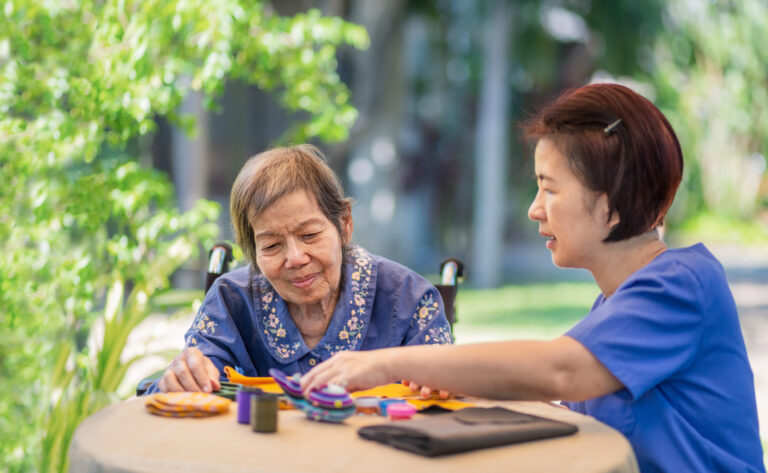
This approach demanded slowing down—both physically and mentally—and tuning into subtle cues rather than expecting clear communication all the time. Patience became less about waiting passively and more about actively creating space for connection despite difficulties.
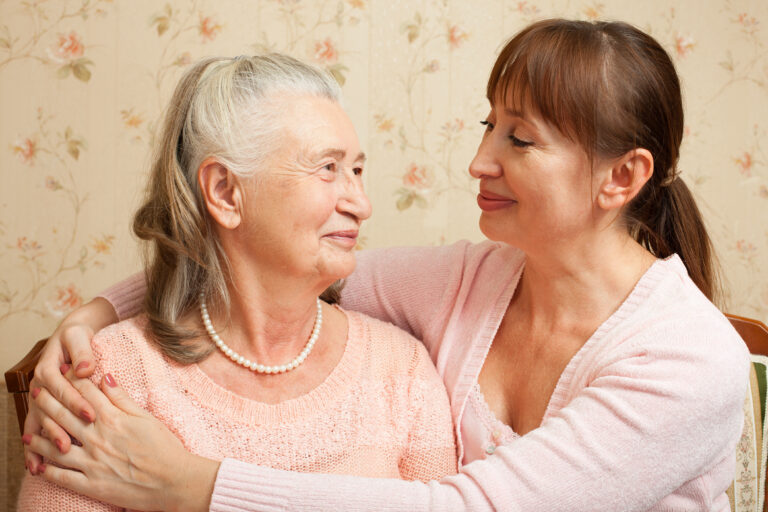
In this process, empathy grew stronger too because patience without empathy feels hollow; you need both to truly support someone living with dementia. The experience taught me not only tolerance but also kindness toward imperfections—both theirs and mine.
Ultimately, dementia reshaped my personality in small but meaningful ways: fostering calmness where there was once haste; encouraging listening over speaking; valuing presence instead of quick fixes; embracing uncertainty rather than resisting it.
Patience is no longer just a virtue—it’s a daily practice grounded in love amid loss, proof that even difficult journeys can bring unexpected growth if we open ourselves up to learning from them instead of fighting against them blindly.