When we hear someone say, “It’s just part of getting old,” it often comes with a mix of resignation and misunderstanding. Aging is a natural process, but it’s not a catch-all excuse for every change or challenge we face as we grow older. Let’s explore some common myths and realities about aging to better understand what’s really going on.
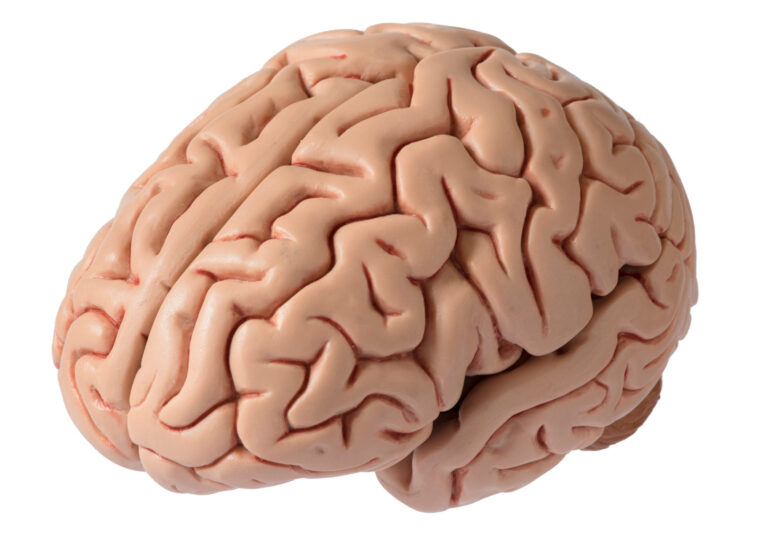
First, there’s the idea that mental decline is inevitable with age. While it’s true that some cognitive slowing can occur, many people maintain robust mental abilities well into their later years. This means that while some slowing might happen, severe cognitive decline isn’t a guaranteed part of aging. In fact, lifelong brain plasticity allows older adults to learn new skills and adapt to new situations, whether it’s learning a new language or mastering technology.
Another myth is that seniors are stubborn and can’t change. This couldn’t be further from the truth. Older adults are capable of learning new things and adapting to new situations, just like people of any age. This ability to learn and grow doesn’t disappear with age; it’s a lifelong capacity that can be nurtured and developed.
Depression and anxiety are also often misunderstood in the context of aging. Many people believe that depression is just a natural part of growing older, but this isn’t true. Mental health conditions can affect anyone at any age, and they should be addressed with proper treatment. Similarly, anxiety isn’t limited to younger people; seniors can experience anxiety due to various life changes, health concerns, or personal losses.
Flexibility is another area where age-related myths abound. People often believe that flexibility is something you either have or you don’t, and that it inevitably declines with age. However, flexibility can be improved at any age with consistent effort. Regular stretching can help reverse some of the natural decline in muscle elasticity and joint mobility that occurs over time.
Lastly, there’s the misconception that therapy or treatment is less effective for older adults. This isn’t true; therapy can be highly effective for seniors, helping them navigate life changes, mental health issues, or other challenges. In some cases, therapy might even be more effective for older adults than for younger people, as they often have a deeper understanding of themselves and their life experiences.
By understanding these myths and realities, we can foster a more supportive and respectful environment for older adults. It’s not just about “getting old”; it’s about living a full, vibrant life at every stage.