When someone you care about starts to struggle, it can be hard to know when they need more help than family and friends can provide. Recognizing the signs that your loved one may need professional support is important for their safety, health, and happiness.
One of the clearest signals is **changes in physical health**. If you notice noticeable weight loss or gain, poor personal hygiene, unexplained bruises, or difficulty moving around safely at home, these could mean they are having trouble managing daily tasks on their own. Chronic illnesses or recovery from surgery often require extra care that family members might not be able to offer consistently.
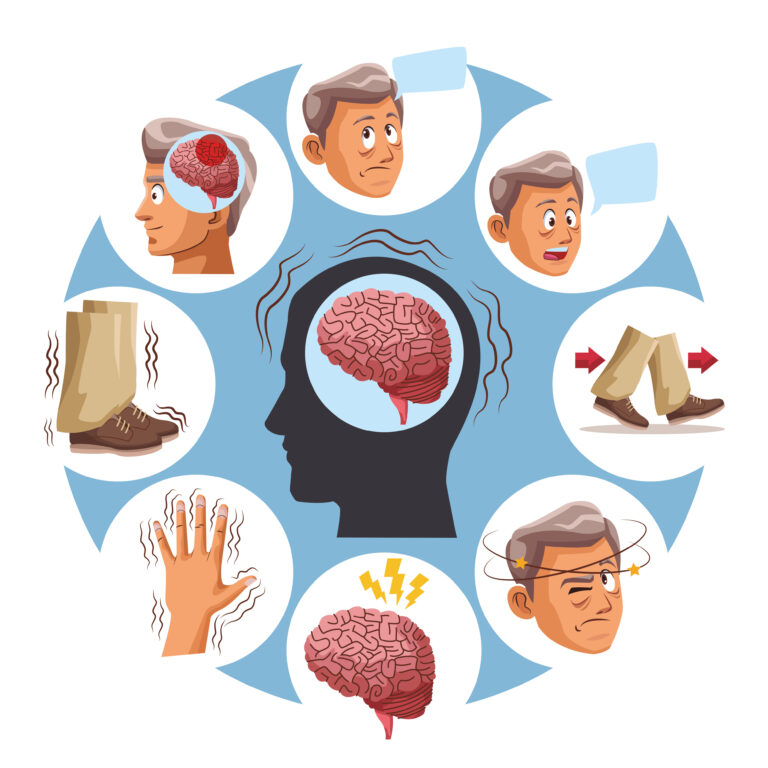
Another key sign is **cognitive decline**. Forgetfulness that goes beyond normal aging—like missing appointments regularly or confusion about familiar places—can put your loved one at risk. This includes increased disorientation or memory loss which might indicate conditions like dementia.
Emotional and behavioral changes also deserve attention. If your loved one becomes withdrawn and stops engaging with friends and family as they used to, this social isolation could lead to depression or anxiety. Mood swings, irritability, sudden personality changes, or unusual behavior may point toward underlying mental health issues or side effects from medications.
Sometimes people become consumed by grief after losing someone close; if feelings of numbness persist for months along with anxiety about death itself—or if they feel isolated without anyone to talk to—it might be time for professional grief support.
For seniors especially, needing help with basic activities such as toileting, eating meals properly, preparing food safely at home—or experiencing frequent falls—are strong indicators that 24/7 care should be considered. When family members cannot provide constant supervision due to their own circumstances like work commitments or living far away, professional caregivers can step in.
Ultimately these signs show when a person’s ability to live independently is slipping and additional support will improve their quality of life while keeping them safe and comfortable in familiar surroundings. Watching closely for these changes helps ensure your loved one gets the right kind of help before problems escalate too far out of control.