When a loved one with dementia has a fall, it can be a frightening experience for everyone involved. Knowing what to do calmly and clearly can make all the difference in ensuring their safety and well-being.
First, **stay calm** and resist the urge to rush them up immediately. Falls can cause hidden injuries, especially to the head, neck, or back. If your loved one complains of severe pain or you suspect serious injury, do not move them. Instead, call for emergency help right away or use any medical alert device they might have.
If there are no obvious signs of serious injury—no severe pain, bleeding, or loss of consciousness—help them roll onto their side gently. From there, encourage them to get into a crawling position and slowly find sturdy furniture to support themselves as they try to stand up. Moving carefully reduces the risk of further injury.
Even if your loved one seems fine after the fall, it’s important to contact their doctor as soon as possible because some injuries may not show symptoms immediately but could worsen over time.
After addressing immediate safety concerns:
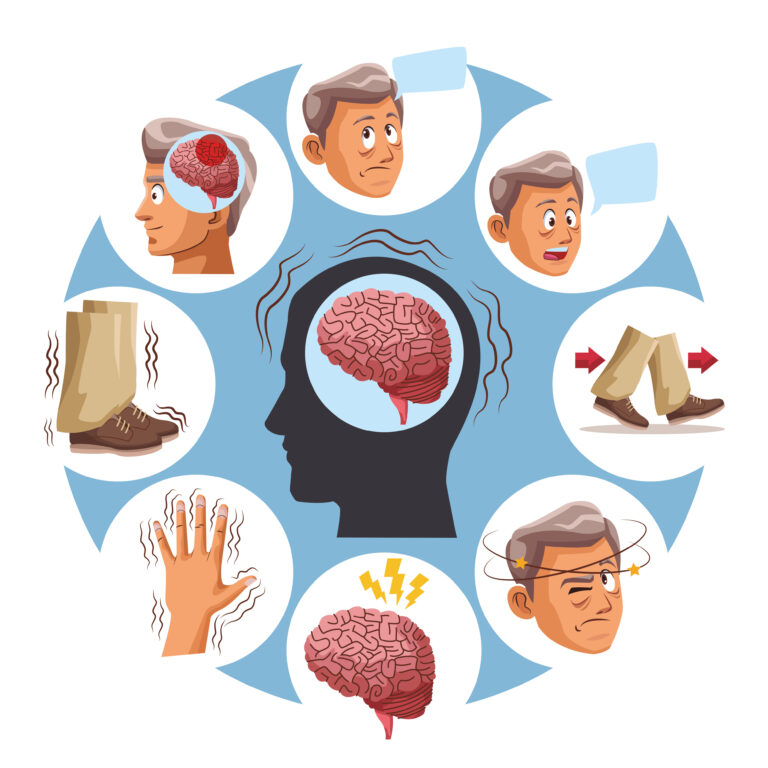
– **Check for changes in behavior or mobility**, such as confusion worsening beyond usual dementia symptoms or difficulty moving limbs.
– Watch out for signs like headaches that don’t go away, vomiting repeatedly after the fall, seizures, bruising around eyes or ears (which could indicate head trauma), and any new difficulties walking.
– Document what happened clearly so healthcare providers have accurate information about the incident.
– Review their care plan with medical professionals; falls often signal underlying issues like medication side effects or balance problems that need attention.
Communication is key: explain what happened calmly but clearly with other caregivers and family members so everyone understands how best to support your loved one going forward.
To reduce future risks:
– Ensure pathways at home are clear from clutter.
– Use assistive devices if recommended by therapists.
– Consider medical alert systems designed for seniors with dementia; many can detect falls automatically and summon help quickly even if your loved one cannot call out themselves.
Remember that panic makes handling these situations harder—for both you and your loved one—so practicing safe ways to respond before an accident happens is helpful whenever possible. Physical therapists can teach techniques on how someone might safely get up after a fall when uninjured.
Taking these steps helps protect those living with dementia while giving you confidence in managing emergencies calmly when they occur.