Keeping a loved one with dementia socially active is important for their well-being and quality of life. Social engagement helps maintain their skills, lifts their mood, and provides meaningful connections that can slow feelings of isolation or confusion.
Start by focusing on activities that match their interests and abilities. Think about what they enjoyed before dementia—hobbies, music, or places they liked—and try to incorporate those elements. For example, if they loved gardening, spending time planting flowers or tending to a small garden can be both calming and stimulating. If music was important in their life, playing familiar songs or singing together often sparks joy and memories.
It’s helpful to create a simple routine with regular social activities so your loved one knows what to expect. This consistency reduces anxiety and makes participation easier over time. Choose times when they feel most alert—often mornings are better than late afternoons—to plan walks outside or visits with friends.
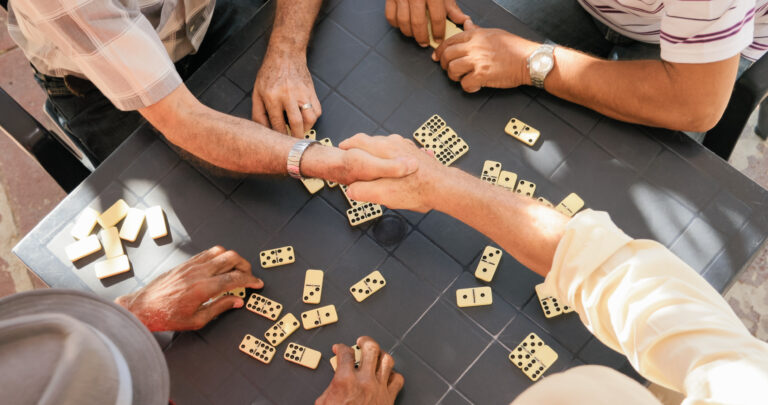
Group activities like gentle exercise classes (tai chi or chair yoga), simple games such as balloon volleyball or card games adapted for memory challenges can encourage interaction without overwhelming them. These kinds of light physical activity combined with socializing support both body and mind.
Creative outlets also work wonders: painting with watercolors, coloring familiar scenes in adult coloring books, making crafts like greeting cards or seasonal decorations provide purpose while engaging fine motor skills gently. Music therapy—listening to favorite tunes from earlier years or playing easy instruments—can reach deep emotional parts even when words fail.
When planning outings or visits from family members and friends, keep the environment calm and familiar to avoid overstimulation which might cause distress. Sometimes just sharing jokes, looking through photo albums together, reminiscing about past travels or special moments creates warmth without pressure.
Above all else: patience matters most. Your loved one may have good days where socializing feels natural but also tougher days when withdrawing is preferred—that’s okay too. The goal is connection at whatever pace feels right for them while respecting their dignity.
By blending meaningful hobbies with gentle group interactions tailored thoughtfully around your loved one’s needs you help keep them socially engaged in ways that bring comfort as well as joy throughout the journey of dementia care.