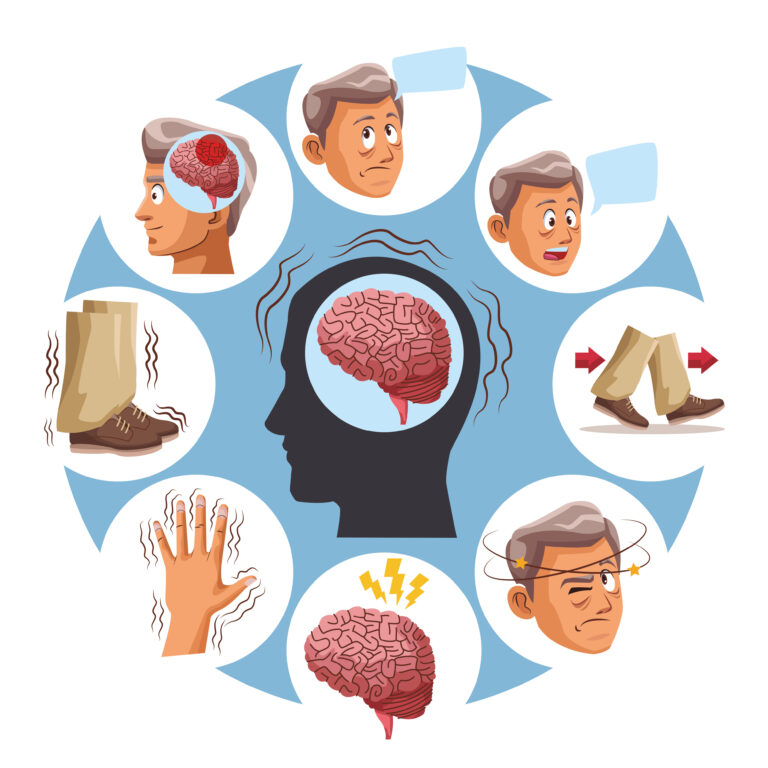
Explaining a dementia diagnosis to friends and extended family can feel overwhelming, but approaching it with honesty and simplicity helps everyone understand and support the person affected. Here are some gentle ways to share this news:
Start by choosing a calm moment when you can talk without distractions. It’s important to be clear but kind, using simple language that avoids medical jargon. You might say something like, “We’ve learned that [Name] has dementia, which means their memory and thinking skills are changing because of a condition affecting their brain.”
People often have many questions or worries when they hear the word dementia. Be ready to explain that it’s not anyone’s fault—dementia is caused by changes in the brain that happen over time. Emphasize that while some things may become harder for your loved one, they still need love and understanding.
If children or young people are part of your circle, tailor your explanation to their age and what they can grasp. They might worry they caused these changes or misunderstand behaviors if no one explains what’s happening clearly. Reassure them gently that nothing they did caused this illness.
It also helps to share practical examples of how dementia affects daily life—like forgetting recent conversations or needing help with tasks once done independently—to make it more relatable without being frightening.
Encourage friends and family to ask questions so you can address any concerns openly. Let them know how they can support both you and the person living with dementia through patience, kindness, and staying connected.
Finally, remind everyone involved that this diagnosis is just one part of your loved one’s story—not all there is—and maintaining familiar routines or shared activities brings comfort amid change.
By speaking honestly yet compassionately about dementia within your wider circle, you create an environment where understanding grows naturally alongside care.