Middle stages sits at the center of this dementia and brain health question.
The middle stages of dementia mark a significant shift in how the condition affects a person’s daily life and abilities. During this phase, memory problems become more pronounced, often interfering with everyday tasks and independence. People may forget important details like their phone number, address, or names of close family members. While they might still recognize loved ones and recall some personal history, their ability to manage on their own diminishes noticeably.
In addition to memory loss, individuals often struggle with activities such as grooming, cooking meals, choosing appropriate clothing, or handling finances. They usually need help with bathing and dressing but can still eat and use the bathroom independently at this point.
Changes in mood and behavior are common during these middle stages. Increased confusion can lead to agitation or frustration; some people may become emotionally volatile or even aggressive at times. Sleep disturbances are also frequent—many experience “sundowning,” where confusion and restlessness worsen in the late afternoon or evening.
Communication becomes more difficult as well. Finding words may be harder; conversations might be challenging because of trouble understanding others or expressing thoughts clearly. Some people develop delusions or hallucinations depending on the type of dementia they have.
Disorientation is another hallmark: individuals might get lost even in familiar places or fail to recognize where they are at times. Wandering can occur due to this confusion about time and place.
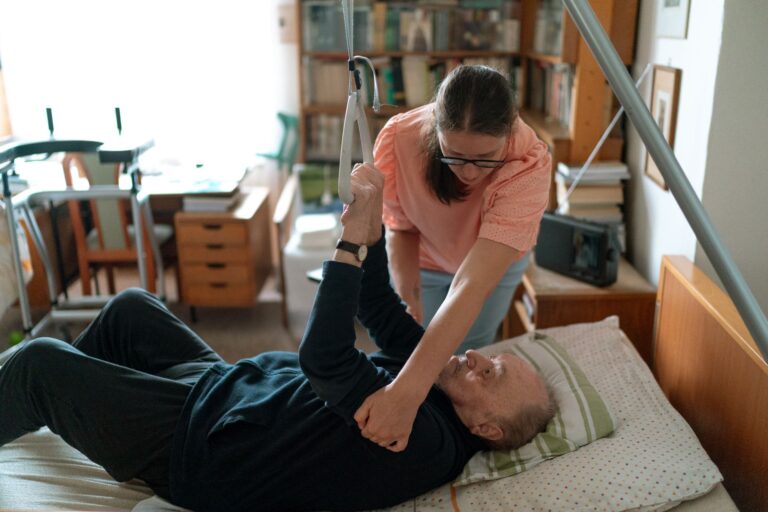
Caregiving needs increase substantially during these stages since safety becomes a concern alongside declining cognitive function. Establishing routines helps provide predictability that can reduce anxiety—for example, having meals at regular times or using visual reminders like calendars and labeled cabinets for important items.
Overall, the middle stage requires patience from caregivers as well as adjustments in support strategies because while some independence remains, assistance with many daily functions is essential for quality of life during this period of moderate dementia progression.
For more, see NIH MedlinePlus — cognitive testing.