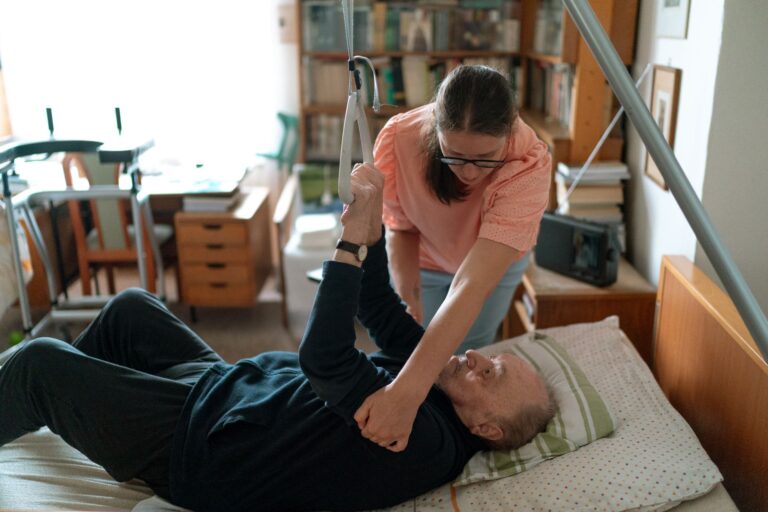
Recognizing pain sits at the center of this dementia and brain health question.
Recognizing pain and discomfort in non-verbal dementia patients can be challenging but is crucial for their well-being. Many people with advanced dementia lose the ability to communicate verbally, so caregivers and healthcare providers must rely on other signs to understand when these individuals are in pain or distress.
One key way to identify pain is by observing **facial expressions**. Even without words, a person may show discomfort through frowning, grimacing, tightening of the eyes, or other changes in their face. These subtle cues often reveal more than words can when speech is lost.
**Body movements** also provide important clues. A person might become restless or agitated, freeze up suddenly, resist being touched or moved during care routines, or display unusual postures that suggest they are trying to avoid pain. Sometimes they may withdraw physically from contact as a protective response.
Another important indicator comes from **vocalizations**, even if not clear speech. Non-verbal sounds such as moaning, groaning, mumbling repeatedly certain phrases like “no” or “help,” shouting out unexpectedly, or sighing heavily can all signal discomfort.
Changes in behavior and mood are also telling signs: increased irritability, aggression (like shouting), sudden withdrawal from social interaction, agitation without obvious cause—all these might point toward underlying physical pain that the patient cannot express directly.
Physical symptoms such as changes in appetite and sleep patterns may accompany discomfort too. For example, a person who suddenly refuses food or drink might be experiencing mouth pain or digestive issues; difficulty settling down at night could indicate aches that worsen when lying still.
Because people with dementia often have overlapping conditions like delirium—which itself causes confusion and restlessness—caregivers need to carefully assess whether new behaviors represent worsening cognitive problems or untreated physical issues causing distress.
Tools like the PAINAD (Pain Assessment In Advanced Dementia) scale help by providing structured ways to score facial expressions, body language and vocalizations systematically over time so caregivers can track changes more objectively rather than relying solely on intuition.
Ultimately recognizing pain involves *close observation*, *knowing each individual’s normal behavior*, and responding quickly when something seems off—even if no words confirm it—to ensure comfort and dignity for those who cannot speak for themselves.
For more, see NIH MedlinePlus — cognitive testing.