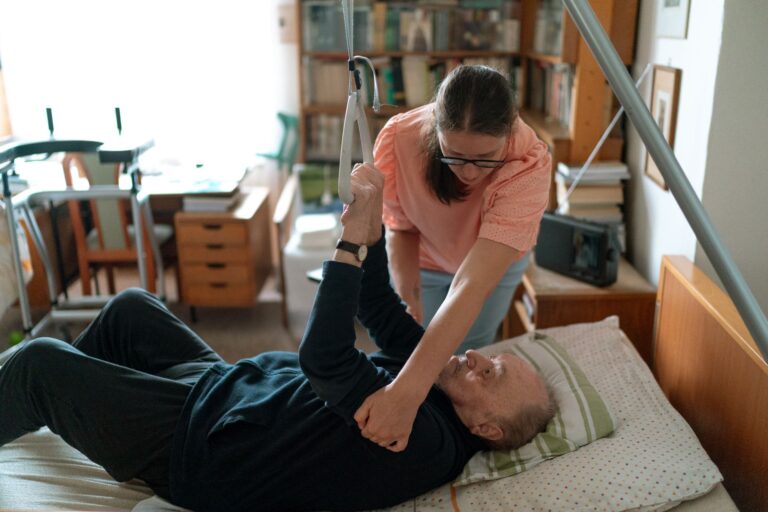
Reminiscence therapy sits at the center of this dementia and brain health question.
Reminiscence therapy is a powerful tool used to help individuals with dementia recall memories from their past. This form of therapy involves encouraging people to share and reflect on their life experiences, which can be incredibly comforting and beneficial for their mental well-being. By focusing on long-term memories, reminiscence therapy can stimulate cognitive function even as short-term memory fades.
One of the key ways reminiscence therapy works is by activating neural pathways associated with autobiographical memories. These pathways often remain stronger than those used for recent events, making reminiscence a valuable tool for maintaining cognitive engagement. Simple prompts, such as questions about childhood or significant life events, can help unlock preserved memories and create meaningful connections.
Reminiscence therapy is not just about recalling memories; it also provides emotional comfort and enhances communication. It can be conducted using various stimuli, including photos, objects, and videos, which help spark conversations and evoke memories. For example, showing someone a picture from their wedding day might trigger a flood of memories about that special event.
This therapy is particularly beneficial for individuals with dementia, as it can improve mood, reduce anxiety, and enhance overall quality of life. By celebrating personal history and family connections, reminiscence therapy helps individuals feel more connected to their past and their loved ones. It also offers a sense of purpose and self-worth, which is crucial for maintaining a positive outlook despite the challenges of dementia.
In addition to its individual benefits, reminiscence therapy can be integrated into broader memory care programs. These programs often include a range of activities designed to enrich the lives of residents, such as sensory gardens, music therapy, and social events. By combining reminiscence therapy with these activities, memory care facilities can create a supportive environment that fosters engagement and comfort.
Overall, reminiscence therapy is a compassionate and effective approach to helping individuals with dementia recall cherished memories and maintain a strong sense of identity. It not only supports cognitive function but also provides emotional comfort and enhances communication, making it a valuable component of comprehensive memory care.
For more, see Alzheimer’s Association — clinical trials.