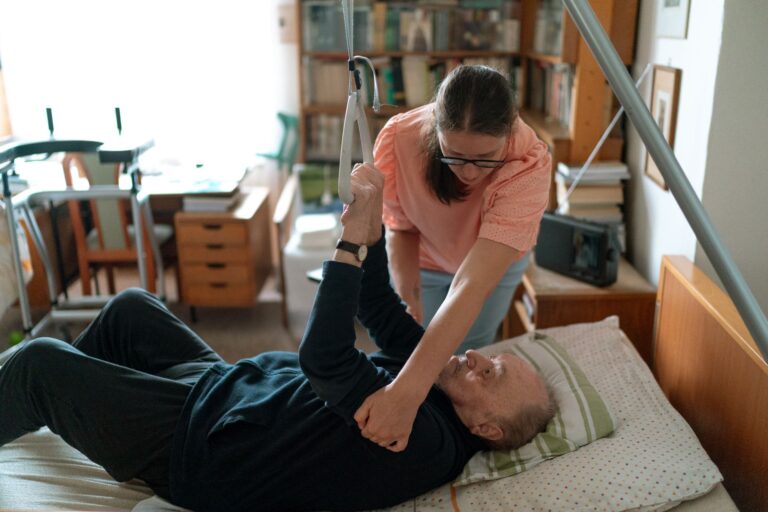
Dementia care sits at the center of this dementia and brain health question.
Choosing a dementia care facility is an important decision that requires careful thought about your loved one’s unique needs and preferences. Here are some key points to consider when making this choice.
First, **safety and security** are paramount. Dementia care facilities should have secure entry and exit points to prevent wandering, along with monitoring systems like cameras or alarms. Staff should be trained in emergency response and crisis management to handle any unexpected situations calmly and effectively.
Next, look closely at the **staffing quality**. A good facility will have a favorable staff-to-resident ratio so each person gets enough attention. The caregivers should be specially trained in dementia care, understanding how to support residents with memory loss compassionately. It’s also beneficial if medical professionals such as nurses or physicians are available on-site or nearby for prompt healthcare needs.
The **environment** itself matters a lot for someone living with dementia. Facilities designed with clear navigation aids help residents move around more easily without confusion or frustration. Proper lighting that supports natural sleep-wake cycles can improve well-being, while quiet spaces reduce stress from noise overload. Safe outdoor areas where residents can walk freely add value by encouraging gentle exercise and fresh air.
Another crucial aspect is the availability of **personalized activities and engagement programs** tailored to different stages of dementia. Look for places offering art therapy, music sessions, reminiscence activities (which tap into long-term memories), sensory stimulation, and social opportunities that keep minds active while respecting individual abilities.
It’s also wise to ask how often care plans are reviewed because dementia progresses over time; the level of support needed will change accordingly. Family involvement in these decisions helps ensure the resident’s preferences remain central throughout their stay.
Location plays a role too—choosing a facility close enough for regular visits keeps connections strong between your loved one and family members or friends who provide emotional comfort.
Finally, consider practical factors like cost relative to your budget but remember that quality specialized care often comes at a higher price due to the expertise required.
By focusing on safety features, qualified staff training, supportive environments tailored for cognitive challenges, meaningful programming designed specifically for memory loss conditions, ongoing personalized care planning involving families—and proximity—you’ll find a place where your loved one can live safely with dignity while receiving compassionate support every day.
For more, see Alzheimer’s Association — caregiving.