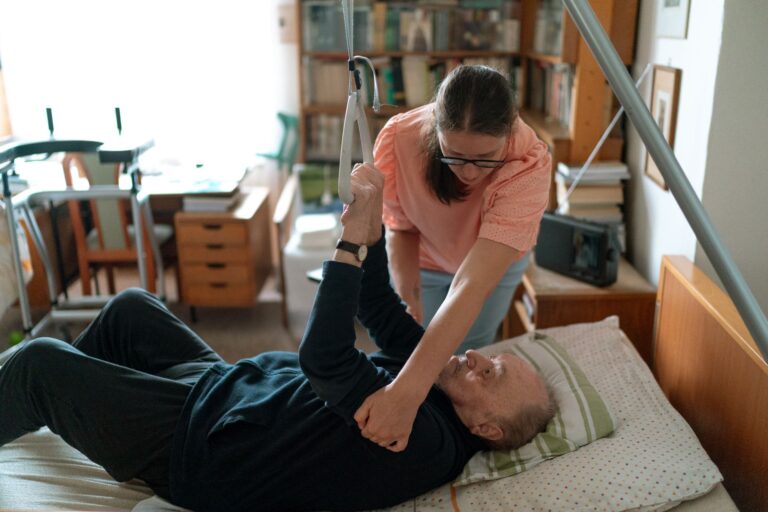
Memory care sits at the center of this dementia and brain health question.
When considering care options for a loved one, understanding the differences between memory care and traditional assisted living is crucial. Both types of care provide support and assistance, but they cater to different needs and offer distinct environments.
**Level of Support and Environment**
Traditional assisted living facilities are designed to support individuals who need help with daily tasks but still maintain a level of independence. Residents typically receive assistance with activities such as bathing, dressing, and managing medications. The environment is often more open, allowing residents to move freely and engage in various activities.
In contrast, memory care facilities are specifically tailored for individuals with Alzheimer’s disease or other forms of dementia. These facilities provide a safe and structured environment to help manage memory loss. The layout is often designed to prevent confusion and ensure safety, with features like secure entry and exit points to prevent wandering.
**Staffing and Training**
Memory care facilities typically have a higher staff-to-resident ratio compared to traditional assisted living. This is because individuals with dementia require more personalized attention and care. Staff members in memory care facilities undergo specialized training to handle the unique needs of residents with memory-related conditions. They are equipped to manage behaviors associated with dementia, such as agitation or confusion, and to provide emotional support.
In assisted living, while staff are trained to assist with daily tasks, they may not have the same level of specialized training in dementia care. However, they focus on promoting independence and supporting residents in maintaining their daily routines.
**Services and Activities**
Both types of facilities offer meals and assistance with daily living activities. However, memory care facilities often provide more personalized activities designed to stimulate memory and cognitive function. These activities might include memory games, art therapy, or music sessions tailored to the individual’s interests and abilities.
Assisted living facilities also offer activities, but they tend to be more general and aimed at promoting social interaction and community engagement. These might include group outings, fitness classes, or hobby clubs.
**Cost and Flexibility**
The cost of memory care is generally higher than traditional assisted living due to the specialized care and higher staff-to-resident ratio. Memory care facilities often integrate with other types of care, such as independent living or continuing care retirement communities, allowing residents to transition smoothly as their needs change.
Assisted living facilities can also be part of larger communities, but they typically offer more flexibility in terms of living arrangements and services, allowing residents to choose the level of support they need.
Ultimately, the choice between memory care and traditional assisted living depends on the specific needs of the individual. For those with dementia or significant memory loss, memory care provides a safe and supportive environment. For individuals who require less specialized care and wish to maintain independence, assisted living may be the better option.
For more, see Alzheimer’s Association — caregiving.