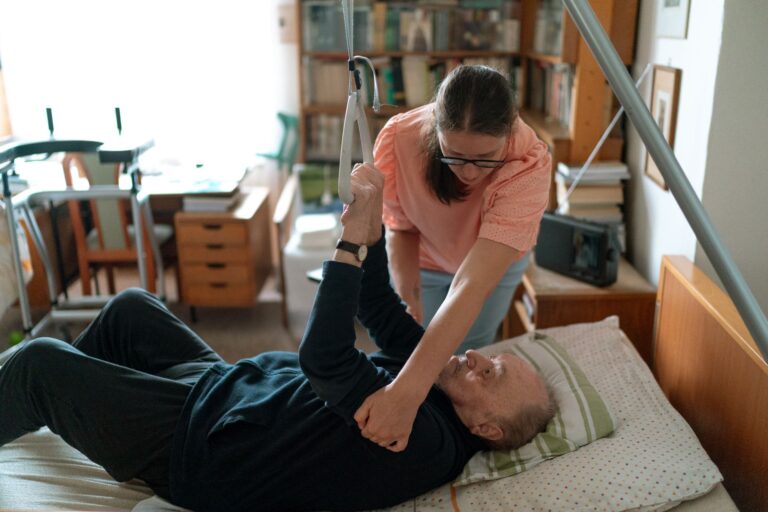
Supporting dementia sits at the center of this dementia and brain health question.
Supporting someone with dementia during an eye health visit can make a big difference in their comfort and the quality of care they receive. Dementia affects memory, thinking, and the ability to communicate, so visiting an eye doctor may feel confusing or overwhelming. Here’s how caregivers and healthcare providers can help make these visits smoother and more effective.
## Understanding the Challenges
People with dementia often have trouble remembering appointments, following instructions, or explaining what they see. They might not recognize familiar faces or places, which can increase anxiety in a clinical setting. Vision problems are common in older adults, but dementia can make it harder to notice or report changes in eyesight. Regular eye exams are important because undetected vision loss can worsen confusion and reduce independence.
## Preparing for the Visit
Before the appointment, talk to the person about where you’re going and what will happen. Use simple words and repeat information as needed. Bring any glasses or contact lenses they use, along with a list of medications. If possible, schedule the visit at a time when the person is usually calmest—often mornings work best.
Let the eye clinic know ahead of time that your loved one has dementia. This helps staff prepare to offer extra support and patience during the exam.
## During the Appointment
Stay close to provide reassurance. Speak calmly and give one instruction at a time—for example, “Please look at this light.” The person may need more time to respond or complete tasks like reading an eye chart.
Eye doctors should use clear language and avoid medical jargon. They might need to adjust their approach if standard tests are too difficult—sometimes showing pictures instead of letters works better for people with memory problems.
If new glasses are prescribed, ask for large-print instructions on how to care for them. Consider choosing frames that are easy to put on and take off independently if possible.
## Aftercare
Once home, help your loved one get used to any new glasses by reminding them gently when it’s time to wear them—for example before reading or watching TV.
Keep track of follow-up appointments by marking them clearly on a calendar.
Watch for signs that vision is getting worse: squinting more than usual; bumping into furniture; losing interest in activities like reading; increased confusion about surroundings.
If you notice changes between visits don’t wait until next year’s checkup—call sooner rather than later since untreated vision issues add unnecessary stress both physically mentally emotionally socially financially etcetera especially those living already managing cognitive decline daily life routines relationships hobbies interests community involvement family dynamics personal safety dignity autonomy self-esteem sense purpose identity belonging connection meaning joy hope resilience adaptability coping strategies problem-solving skills decision-making abilities emotional regulation social interactions communication patterns sleep hygiene nutrition hydration exercise mobility pain management medication adherence overall well-being holistic health integrated care team-based approaches multidisciplinary collaboration shared decision-making patient-centered compassionate respectful dignified ethical legal considerations cultural sensitivity linguistic accessibility environmental modifications sensory adaptations assistive technologies adaptive equipment personalized interventions tailored supports individualized plans proactive prevention early detection timely intervention ongoing monitoring continuous improvement quality assurance best practices evidence-based guidelines professional development staff training public awareness campaigns community education resources referrals partnerships advocacy policy change systems transformation innovation research evaluation feedback loops learning organizations continuous quality improvement cycles sustainability scalability replicability generalizability impact assessment outcome measurement cost-effectiveness analysis return investment value proposition stakeholder engagement co-design co-production lived experience expertise by experience peer support networks mutual aid groups volunteer programs respite services day centers home care residential facilities long-term care palliative end-of-life bereavement grief counseling spiritual pastoral psychological emotional practical informational instrumental tangible intangible supports networks circles friends neighbors colleagues professionals organizations agencies sectors levels local regional national international global perspectives comparative cross-cultural lessons learned success stories challenges barriers enablers facilitators drivers inhibitors constraints limitations gaps needs priorities opportunities threats risks uncertainties complexities ambiguities paradoxes dilemmas trade-offs balances tensions conflicts resolutions compromises consensus building negotiation mediation arbitration facilitation dialogue communication trust transparency accountability responsibility integrity honesty fairness justice equity inclusion diversity representation participation empowerment voice choice control rights responsibilities duties obligations standard
For more, see Alzheimer’s Association.