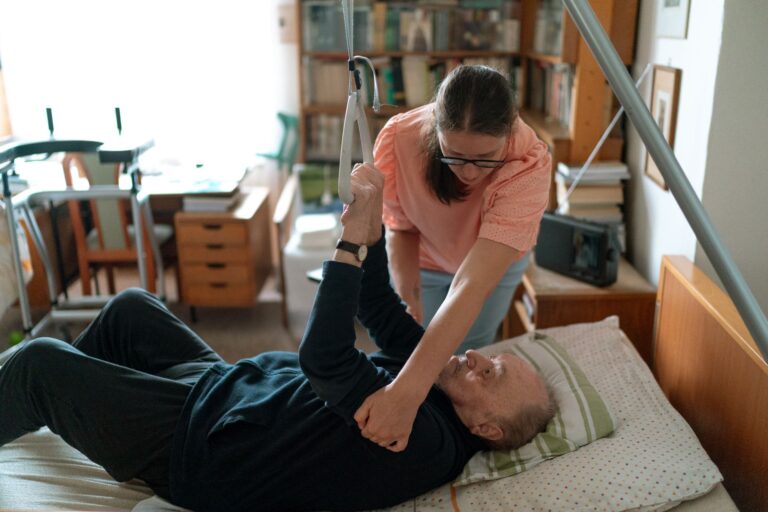
Coordinating caregiving sits at the center of this dementia and brain health question.
Coordinating caregiving schedules among family members can be a challenging but essential task to ensure your loved one receives consistent and quality care. Here are some straightforward tips to help make this process smoother and less stressful.
**Start with Clear Communication**
Open and honest communication is the foundation of effective caregiving coordination. Gather all family members involved in the care to discuss expectations, availability, and specific tasks each person can handle. This helps prevent misunderstandings and ensures everyone knows their role.
**Create a Shared Calendar or Schedule**
Use a shared calendar—whether digital like Google Calendar or a physical planner—that everyone can access. Mark important appointments, medication times, therapy sessions, and daily care routines. This visual tool keeps everyone on the same page about who is responsible when.
**Establish Routines for Stability**
Routines bring predictability which benefits both caregivers and the person receiving care. Consistent mealtimes, medication administration, hygiene routines, and rest periods reduce confusion and stress for all involved.
**Set Boundaries with Caregiving Agreements**
Sometimes it’s helpful to have an informal agreement outlining what each caregiver will do. This sets clear boundaries so no one feels overwhelmed or taken for granted. It also respects the autonomy of your loved one by clarifying expectations around participation in their own care when possible.
**Use Technology to Stay Organized**
Leverage tools such as reminder apps for medications or alerts for appointments. Pill organizers with compartments labeled by day/time can prevent missed doses or double dosing—a critical safety measure especially if multiple caregivers are involved.
**Regularly Update Each Other on Changes**
Health conditions often evolve over time; keeping everyone informed about any changes in mood, mobility, appetite or new symptoms allows timely adjustments in care plans without confusion.
**Plan Breaks to Avoid Burnout**
Caregiving is demanding work that requires emotional resilience as well as physical stamina. Coordinate breaks so that no single person carries too much responsibility continuously—this helps maintain energy levels across the team.
By focusing on communication, organization through shared tools like calendars and technology aids, setting clear roles via agreements where appropriate, maintaining routines for stability, updating regularly on health changes—and ensuring caregivers get needed rest—you create a balanced approach that supports both your loved one’s needs and family harmony during caregiving efforts.
For more, see NIH MedlinePlus — dementia.