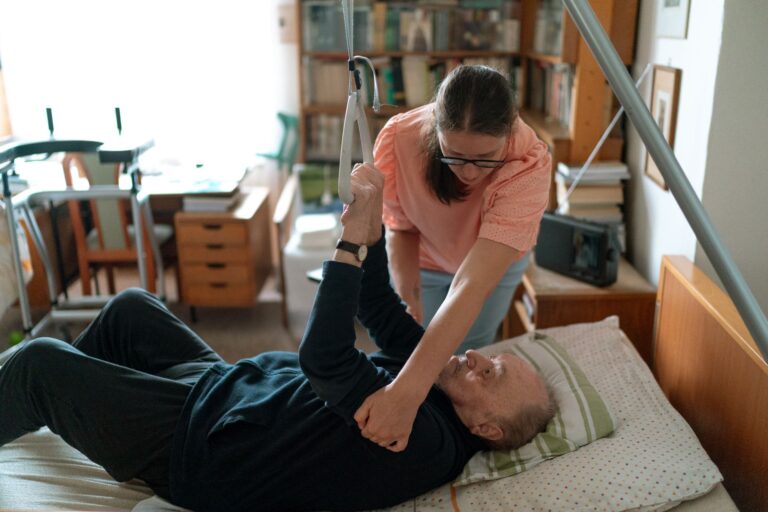
Mentor new sits at the center of this dementia and brain health question.
Mentoring new dementia caregivers is a vital role that requires empathy, patience, and a deep understanding of dementia care. It’s not just about providing technical skills, but also about offering emotional support and guidance to help them navigate the complex challenges of caregiving.
First, it’s essential to create a supportive environment where new caregivers feel comfortable asking questions and sharing their concerns. This can be achieved by establishing a mentorship program that pairs experienced caregivers with new ones. The experienced caregivers can provide hands-on guidance and share their own experiences, helping new caregivers build confidence and develop practical skills.
One of the most effective ways to mentor new caregivers is through regular training sessions and workshops. These sessions should focus on understanding dementia, its effects on patients, and how to manage challenging behaviors. For instance, training on person-centered care can help caregivers understand the individual needs and preferences of their patients, leading to more personalized and compassionate care.
Mentors should also emphasize the importance of self-care for caregivers. Dementia caregiving can be emotionally draining, so it’s crucial to teach new caregivers how to manage stress and maintain their own well-being. This might include strategies like mindfulness, exercise, or simply taking breaks when needed.
Another key aspect of mentoring is helping new caregivers develop effective communication skills. This involves teaching them how to communicate clearly and compassionately with patients who may have difficulty expressing themselves. By understanding the root causes of behaviors, caregivers can respond more effectively and reduce stress for both themselves and their patients.
Facilities can also play a significant role in supporting new caregivers by designing environments that are safe, accessible, and familiar for patients with dementia. This includes clear signage, comfortable spaces, and opportunities for social interaction, all of which can help reduce anxiety and confusion among patients.
Ultimately, mentoring new dementia caregivers is about empowering them with the knowledge, skills, and emotional resilience needed to provide high-quality care. By focusing on both the practical and emotional aspects of caregiving, mentors can help new caregivers make a meaningful difference in the lives of those they care for.
For more, see Alzheimer’s Association.