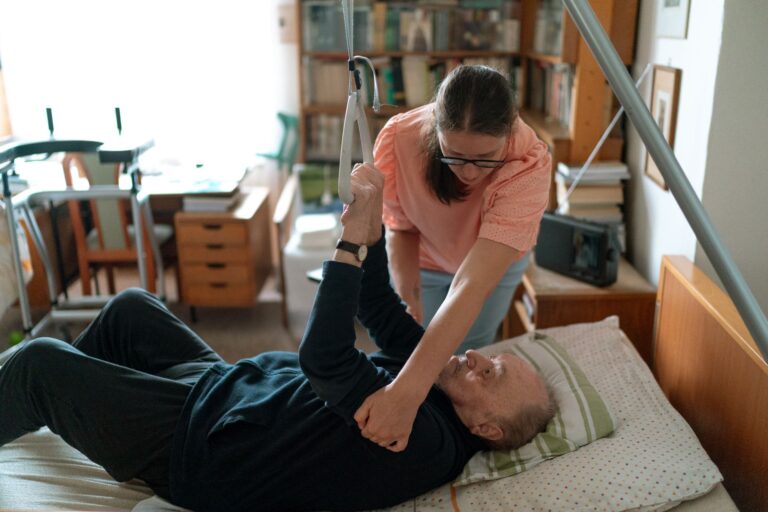
Manage dementia sits at the center of this dementia and brain health question.
Managing dementia during relocation transitions requires thoughtful planning and compassionate care to reduce stress and confusion for the person affected. Moving is a major change that can be unsettling, especially for someone with memory challenges. Here are some practical ways to help ease this process:
**Start Planning Early**
Begin preparations well in advance to avoid rushing at the last minute. Create a clear checklist of tasks like sorting belongings, packing, and notifying relevant people. This helps keep things organized and reduces anxiety for everyone involved.
**Involve Familiar Faces**
Having family members or close friends assist with the move provides emotional support and practical help. Their presence offers reassurance to the person with dementia, making them feel safer amid change.
**Keep Routines as Normal as Possible**
Try to maintain familiar daily routines before, during, and after the move. Consistency in mealtimes, medication schedules, and activities helps reduce confusion.
**Simplify the Environment**
When setting up the new living space, arrange it so that it feels familiar yet safe—remove hazards that might cause falls or accidents but keep personal items visible to provide comfort.
**Use Clear Communication Tools**
Label important rooms or objects clearly; use signs or pictures if helpful. Keep essential information like names and contact details on an ID bracelet or sewn into clothing in case they wander.
**Address Basic Needs Carefully**
People with dementia may forget to eat or drink during stressful times like moving. Offer small snacks frequently rather than large meals; keep drinks within easy reach; encourage hydration gently but consistently.
**Prepare for Emotional Upsets Like Restlessness or Agitation**
Changes can trigger restlessness in someone with dementia. Provide quiet spaces with soft lighting where they can relax away from noise and commotion.
If moving from hospital back home or into aged care facilities, coordinated support is vital: healthcare teams should assess cognitive status alongside physical needs while involving family carers closely in planning care routines tailored specifically for dementia symptoms.
Ultimately, patience combined with careful preparation makes relocation less overwhelming—helping preserve dignity while supporting health through this challenging transition period.
For more, see Alzheimer’s Association.