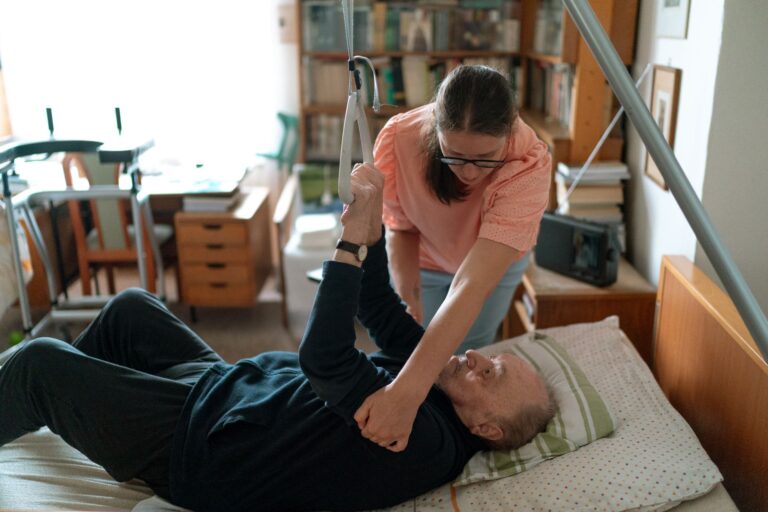
Support emotional sits at the center of this dementia and brain health question.
Supporting emotional honesty in dementia patients requires patience, empathy, and a deep understanding of their unique experience. Dementia affects memory and cognition, but it also impacts how people express and process emotions. Encouraging emotional honesty means creating a safe space where they feel comfortable sharing their feelings without fear of judgment or misunderstanding.
One important step is to **listen actively and validate their emotions**. When a person with dementia expresses sadness, frustration, or confusion—even if the reasons seem unclear—acknowledge those feelings as real and important. For example, when someone repeatedly says they want to “go home,” it’s not just about the physical place but often about seeking comfort, safety, or identity. Instead of correcting them or dismissing these statements as confused thinking, respond with empathy: recognize that this is their way of expressing emotional needs.
It helps to **avoid arguing or trying to correct factual inaccuracies** because this can lead to distress or withdrawal. Instead, focus on the underlying emotion behind what they say. If they feel lost or scared, reassure them gently rather than insisting on facts that may no longer make sense to them.
Creating an environment where people with dementia can be open about their struggles without shame is crucial too. Many individuals hide memory problems due to fear of stigma or being judged unreliable. Caregivers should encourage openness by showing acceptance and understanding rather than blame.
Peer support groups can be very beneficial for both patients and caregivers by providing a confidential space for sharing experiences honestly without embarrassment. These groups help normalize feelings associated with cognitive decline and reduce isolation.
For caregivers supporting someone with dementia:
– Be patient; allow time for expression.
– Use simple language but respect the person’s dignity.
– Encourage activities that foster self-expression like music or art.
– Maintain routines that provide stability while being flexible enough to accommodate changing moods.
– Share honest conversations within families so everyone understands how best to support emotional needs.
Ultimately, supporting emotional honesty in dementia means recognizing that beneath cognitive changes remains a person who wants connection and compassion above all else. Listening carefully—not just hearing words—and responding kindly opens doors for genuine communication even when memories fade away.
For more, see Alzheimer’s Association.