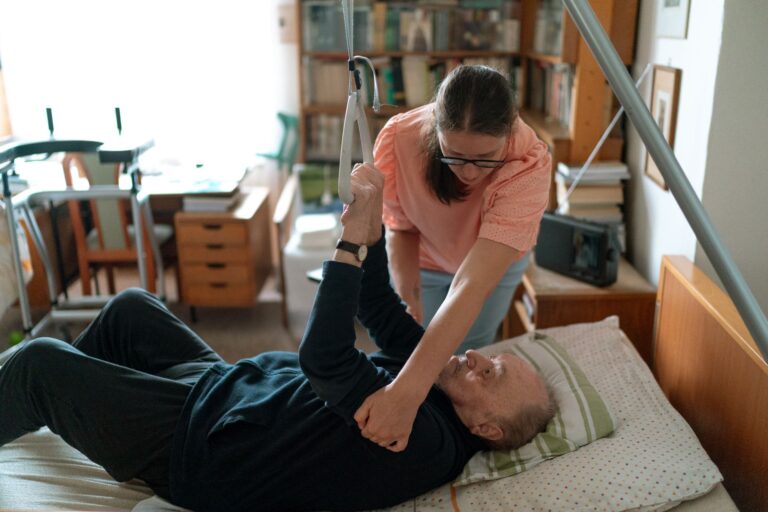
Managing hoarding sits at the center of this dementia and brain health question.
Hoarding in dementia is a challenging behavior that can cause distress for both the person affected and their caregivers. It’s important to understand that hoarding isn’t just about clutter or messiness—it often stems from deeper psychological needs and changes in the brain caused by dementia. Managing this behavior requires patience, empathy, and thoughtful strategies rather than simply trying to clear out possessions.
One key approach is to **create a calm and familiar environment**. People with dementia feel safer when surrounded by things they recognize, so sudden removal of items can increase anxiety or confusion. Instead of forcing decluttering, it helps to gently organize spaces while keeping cherished objects accessible.
**Routine plays an important role** as well. Maintaining regular daily activities provides structure which can reduce stress and compulsive collecting behaviors. Caregivers should try to keep interactions predictable and avoid rushing or pressuring the person.
Communication should be handled with care—using a calm voice, simple words, and allowing plenty of time for responses helps reduce frustration on both sides. If the person insists on keeping certain items, it’s better not to argue but instead acknowledge their feelings while guiding them toward safer choices.
When addressing hoarding directly:
– Focus on **small steps**, like sorting through one drawer or shelf at a time.
– Use **distraction techniques**, such as engaging them in enjoyable activities that shift attention away from collecting.
– Offer reassurance frequently; letting them know they are safe can ease fears tied to discarding possessions.
Sometimes professional help like cognitive-behavioral therapy (CBT) adapted for dementia may assist by gently changing thoughts around possessions without causing distress.
Above all else, managing hoarding in dementia means recognizing it as part of the illness—not laziness or stubbornness—and responding with kindness rather than judgment. This compassionate approach supports dignity while helping maintain safety and comfort within their living space.
For more, see NIH MedlinePlus — dementia.