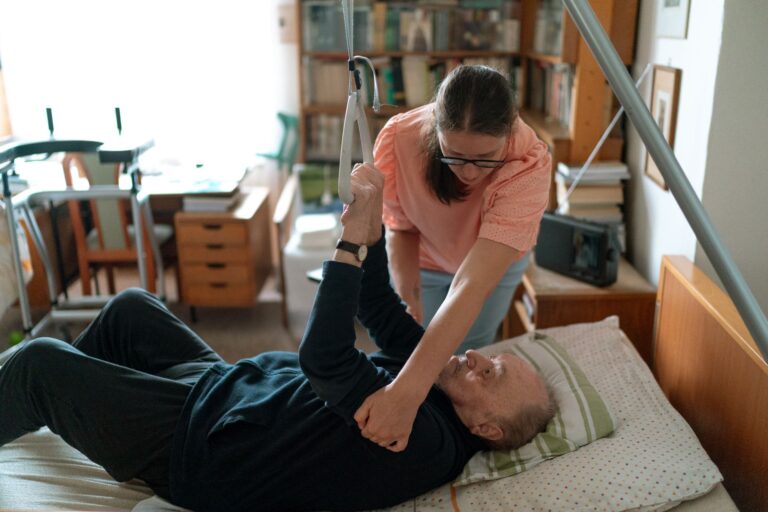
Navigate end-of-life sits at the center of this dementia and brain health question.
Navigating end-of-life conversations with loved ones who have dementia is a delicate and deeply personal process. It requires patience, empathy, and careful timing to ensure that the wishes and values of the person with dementia are honored while providing support for everyone involved.
The first step is recognizing the right moment to start these discussions. Dementia progresses gradually, so there is often a window of time when the person can still express their thoughts and preferences clearly. During this period, it’s important to gently ask about what quality of life means to them—what matters most in their daily living and care. This helps guide decisions later on when they might not be able to communicate as effectively.
Having open conversations early allows your loved one to designate someone they trust as their healthcare proxy or power of attorney for financial matters. This trusted person will speak on their behalf if they lose decisional capacity. Sometimes people choose spouses or adult children; other times, it may be someone else who can remain calm under pressure and respect their wishes without imposing personal views.
It’s also vital to involve healthcare professionals familiar with dementia care—not just primary doctors but specialists like geriatricians or psychiatrists—to discuss how symptoms might evolve and what interventions align with your loved one’s values. These experts can help prepare you for challenging scenarios such as managing difficult behaviors or deciding on hospitalizations.
Conversations should focus not only on medical decisions but also emotional needs—acknowledging grief, loss, and fears that arise during this journey. Caregivers often experience profound feelings of sadness alongside guilt about making tough choices; sharing these emotions openly within family circles or with counselors can provide relief.
For families including children or teenagers, it’s important to create safe spaces where young people feel comfortable expressing confusion or fear without judgment. They may need encouragement since they sometimes hide feelings so as not to add stress for adults around them.
Throughout all stages:
– Speak calmly using simple language.
– Listen attentively without rushing.
– Respect any hesitation—they may need time before opening up.
– Revisit conversations periodically as circumstances change.
– Document wishes clearly in advance directives tailored specifically for dementia care whenever possible.
Ultimately, navigating end-of-life talks with a loved one facing dementia means balancing honesty about realities ahead while nurturing hope through compassionate presence—honoring who they are now even as memory fades away slowly over time.
For more, see Alzheimer’s Association — caregiving.