Best mobility sits at the center of this dementia and brain health question.
Living alone with dementia can be challenging, especially when it comes to moving around safely and maintaining independence. Mobility aids designed for dementia patients can make a big difference by providing support, reducing the risk of falls, and helping them feel more confident in their daily activities.
Here are some of the best mobility aids suited for people with dementia living alone:
**1. Walkers and Rollators**
Walkers provide stability and balance support, which is crucial as dementia often affects coordination. Rollators are walkers with wheels that allow smoother movement and usually come with a seat for resting. They help prevent falls while encouraging physical activity.
**2. Grab Bars and Handrails**
Installing grab bars in key areas like bathrooms, hallways, or near stairs offers steady handholds to prevent slips or loss of balance. These simple fixtures create safer environments where a person can move more freely without fear.
**3. Non-Slip Mats and Flooring Aids**
Slippery floors increase fall risks significantly. Non-slip mats in bathrooms or kitchens reduce this hazard by providing better traction underfoot.
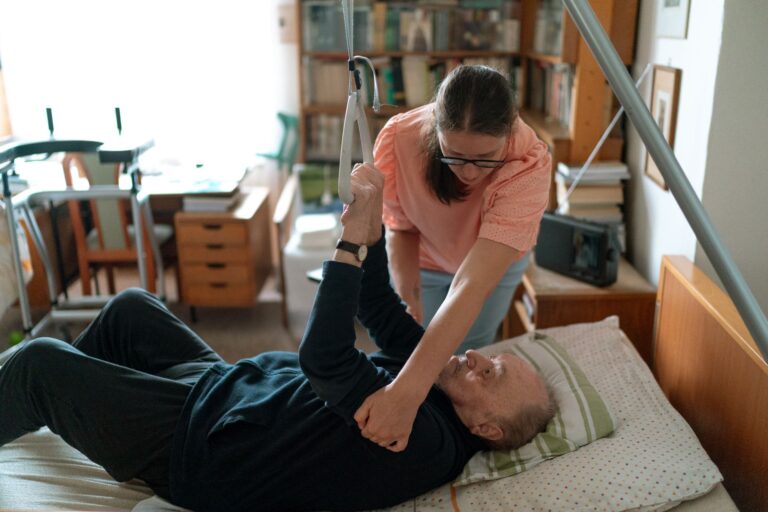
**4. Bed Transfer Aids (Slide Sheets)**
For those who have difficulty getting in or out of bed independently, slide sheets help ease movement without strain or injury risk—both for the individual and any occasional caregivers assisting them.
**5. Medical Alert Systems With GPS Tracking**
Wandering is common among people with dementia; medical alert devices equipped with GPS allow caregivers to monitor location remotely if needed while giving the person freedom to move safely within set boundaries.
**6. Simple-to-Use Cell Phones With Emergency Features**
Phones designed specifically for seniors with cognitive challenges often include large buttons, voice commands, reminder functions (for medication or appointments), and emergency call buttons that connect quickly to family members or emergency services.
Using these aids not only supports physical safety but also encourages staying active—a key factor in maintaining mental health when living alone with dementia. Activities like walking using a rollator or gardening supported by grab rails keep both body and mind engaged while reducing isolation risks through increased confidence at home.
Creating an environment tailored to their needs—well-lit spaces free from clutter combined with these mobility tools—helps people living alone manage daily life better despite memory challenges caused by dementia.
Choosing the right combination depends on individual abilities but focusing on safety features that promote independence will always be beneficial for someone navigating life solo while coping with this condition.
For more, see Alzheimer’s Association.